Why Do People Get Fake Passports - Buy Fake Passports Online
Why Do People Get Fake Passports - Buy Fake Passports Online

Why Do People Get Fake Passports: Understanding the Motives Behind Illegal Travel Documents
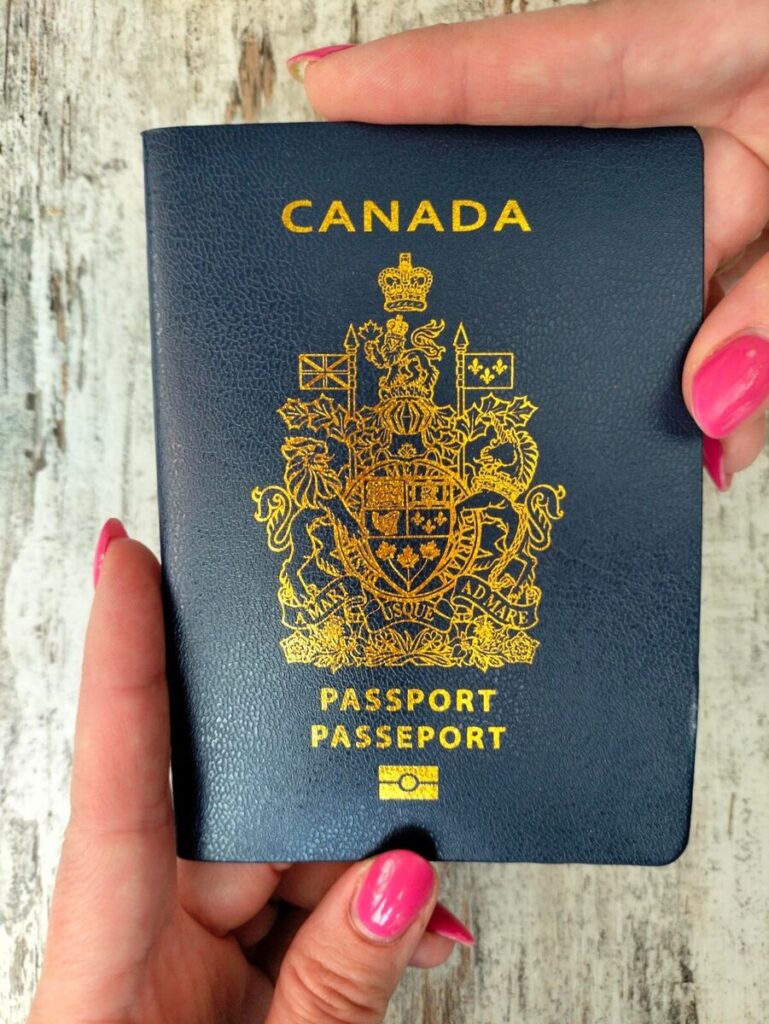
Why Do People Get Fake Passports is a question that surfaces in news reports, legal debates, and security briefings around the globe. The phenomenon is not merely a cinematic trope; it reflects real‑world pressures that drive individuals to seek counterfeit travel documents. In the opening lines, we confront the stark reality: people pursue Why Do People Get Fake Passports because they perceive limited legal avenues to escape danger, reunite with family, or access economic opportunities.
Key Takeaways
- Why Do People Get Fake Passports often stems from desperation, persecution, or the lure of higher wages abroad.
- Counterfeit documents are produced through sophisticated networks that exploit vulnerabilities in passport issuance systems.
- Legal consequences include hefty fines, imprisonment, and permanent bans from legitimate travel.
- Detection technologies such as RFID chips, UV patterns, and biometric verification are constantly evolving to thwart fraud.
- Understanding the root causes helps policymakers design safer migration pathways and reduce demand for illegal documents.
Why Do People Get Fake Passports: Core Reasons Explored
When examining Why Do People Get Fake Passports, analysts point to a matrix of push and pull factors. Push factors include political instability, war, ethnic persecution, and lack of livelihood options in the home country. Pull factors consist of the promise of higher wages, better education, family reunification, and perceived safety in destination nations. These forces intertwine, creating a compelling incentive for individuals to risk illegal documentation.
Furthermore, Why Do People Get Fake Passports is frequently linked to human smuggling rings that offer “all‑inclusive” packages. These syndicates charge exorbitant fees for forged passports, visas, and travel itineraries, preying on vulnerable migrants. The profitability of this black market fuels continuous innovation in forgery techniques, making detection increasingly challenging for authorities.
Moreover, socioeconomic disparity amplifies the allure of counterfeit documents. In regions where legal migration pathways are costly, lengthy, or outright inaccessible, a fake passport appears as a shortcut to a better life. The perception that “everyone else is doing it” normalizes the behavior, reducing the psychological barrier to committing fraud.
Consequently, Why Do People Get Fake Passports cannot be reduced to a single motive; it is a symptom of broader systemic failures in global migration governance, economic inequality, and human rights protection.
Why Do People Get Fake Passports: Psychological and Socio‑Economic Factors
The decision to acquire a fraudulent passport often begins with a cognitive assessment of risk versus reward. Individuals weigh the likelihood of apprehension against the perceived benefits of reaching a destination where they can work legally, access healthcare, or escape violence. When the reward outweighs the fear of punishment, the psychological tipping point is reached.
In addition, social networks play a pivotal role. Word‑of‑mouth recommendations from peers who have successfully used Why Do People Get Fake Passports create a feedback loop that legitimizes the act. Testimonials shared via encrypted messaging apps reinforce the belief that fraud is a viable, low‑risk strategy.
Furthermore, economic desperation lowers the threshold for risky behavior. Studies show that individuals living below the poverty line are up to three times more likely to consider illegal documentation than those with stable incomes. The urgency to provide for dependents can override moral reservations, especially when legitimate avenues appear blocked.
As a result, addressing Why Do People Get Fake Passports requires interventions that alleviate poverty, improve legal migration channels, and dismantle the criminal enterprises that profit from document fraud.
Historical Evolution of Passport Fraud
The practice of forging travel documents is not a modern invention. Historical records reveal that counterfeit passports appeared during World War II, when refugees sought to flee Nazi‑occupied Europe. Early forgeries relied on simple photocopying and manual alterations, yet they were effective enough to save countless lives.
During the Cold War, espionage agencies utilized sophisticated fake passports to embed agents behind enemy lines. These documents featured high‑quality printing, watermarks, and even genuine‑looking seals stolen from diplomatic pouches. The era demonstrated how state actors could weaponize passport fraud for geopolitical gain.
In the 1990s, the rise of digital printing technology democratized forgery. Criminal groups began producing passports that could pass visual inspection at low‑security checkpoints. The proliferation of the internet facilitated the sale of templates, holograms, and instructional guides, expanding the reach of fraudulent networks.
Today, Why Do People Get Fake Passports is answered by a blend of old‑world craftsmanship and cutting‑edge cybercrime. Forgers now embed cloned RFID chips, tamper with biometric data, and exploit weaknesses in online visa‑application portals. The arms race between forgers and security agencies continues to escalate.
Methods Used to Produce Counterfeit Passports
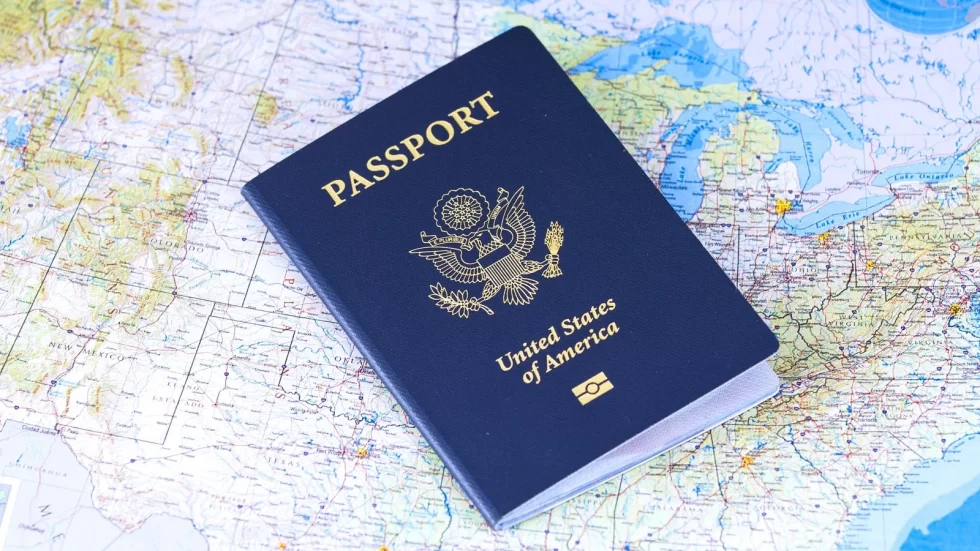
Understanding the production process sheds light on why Why Do People Get Fake Passports remains a persistent issue. Counterfeiters typically begin by acquiring a legitimate passport template, either through theft, bribery, or purchasing blank stock from corrupt officials. The template provides the correct dimensions, layout, and security‑feature placements.
Next, high‑resolution scanners capture the intricate patterns, microprinting, and UV‑reactive inks present on authentic documents. These images are then manipulated using graphic design software to replace personal data while preserving the original security elements.
Furthermore, modern forgers employ laser engraving machines to replicate tactile features such as laser‑perforated numbers and raised lettering. Some operations even acquire genuine holograms through illicit channels, applying them to the forged passport’s data page.
In addition, RFID cloning has become a notable tactic. By extracting the chip’s antenna and memory from a legitimate passport, criminals can write stolen biometric data onto a blank chip, which is then sealed into the counterfeit cover. This technique allows the forged document to pass electronic gate checks at airports.
Consequently, the sophistication of these methods explains why Why Do People Get Fake Passports continues to attract individuals seeking seemingly authentic travel papers.
Legal Ramifications and International Cooperation
Countries worldwide treat passport fraud as a serious offense, often classifying it as a felony. Penalties vary but commonly include imprisonment ranging from one to ten years, substantial fines, and confiscation of the fraudulent document. In many jurisdictions, repeat offenders face enhanced sentences.
Moreover, the use of a fake passport to cross borders can trigger additional charges such as illegal entry, visa fraud, and identity theft. If the document is employed to facilitate terrorism, human trafficking, or drug smuggling, the legal consequences become exponentially more severe.
Furthermore, international cooperation has intensified through organizations like INTERPOL and the European Union’s FRONTEX. Shared databases of lost, stolen, and counterfeit passports enable rapid identification of fraudulent attempts. Joint investigative teams dismantle transnational forgery rings, seizing equipment and arresting key figures.
As a result, individuals contemplating Why Do People Get Fake Passports must weigh not only the immediate benefits but also the high probability of detection and severe legal repercussions.
Detection Technologies at Border Control
Modern border‑control agencies rely on a layered approach to spot counterfeit passports. Visual inspection remains the first line, where officers look for inconsistencies in font, spacing, and photo quality. UV lights reveal hidden patterns that are difficult to replicate accurately.
Furthermore, infrared scanning detects inks that absorb or reflect light differently from genuine compounds. This technique can expose altered data pages or substituted pages that appear normal under visible light.
In addition, RFID readers verify the cryptographic signatures stored in the passport’s chip. Any mismatch between the printed data and the chip’s information triggers an immediate alert. Biometric verification—comparing the holder’s facial features or fingerprints to the stored template—adds another robust barrier.
Consequently, the multilayered security framework significantly reduces the success rate of Why Do People Get Fake Passports attempts, pushing forgers to continually adapt their tactics.
Fake Passports vs. Legitimate Travel Documents: A Comparison
To clarify the stark differences between counterfeit and authentic travel papers, we present a side‑by‑side analysis. This vs section highlights why genuine documents remain the safer, lawful choice despite the perceived convenience of forgeries.
| Aspect | Legitimate Passport | Counterfeit Passport |
|---|---|---|
| Issuing Authority | Government passport office | Criminal forgery network |
| Security Features | Holograms, UV inks, microprint, RFID chip, biometrics | Often missing or poorly replicated features |
| Legal Status | Fully recognized for international travel | Illegal; use can lead to arrest |
| Cost | Standard government fee (varies by country) | High black‑market price (often 5‑20× official fee) |
| Risk of Detection | Minimal when the document is genuine | High modern scanners catch most forgeries |
| Impact on Future Travel | Clean travel record, visa eligibility | Possible bans, blacklisting, and diplomatic complications |
The table underscores that while a fake passport may offer short‑term access, the long‑term drawbacks—legal jeopardy, financial loss, and restricted mobility—far outweigh any perceived benefit. This reality check is essential when addressing Why Do People Get Fake Passports.
Case Studies: Real‑World Instances of Passport Fraud
Examining concrete examples helps illustrate the diverse motivations behind Why Do People Get Fake Passports. In 2018, a Syrian refugee family obtained forged Turkish passports through a smuggling network in Lebanon. Their goal was to reach Germany, where they had relatives willing to sponsor their asylum claim. The family successfully crossed several borders before being detained in Hungary, where the counterfeit documents were identified via RFID mismatch.
Another case involved a Nigerian entrepreneur who sought to expand his business into the European Union. Unable to secure a legitimate Schengen visa due to stringent financial requirements, he purchased a counterfeit Portuguese passport from an online dark‑web marketplace. He managed to attend a trade fair in Frankfurt before being apprehended during a routine police check; the forged passport lacked the correct UV‑reactive seal.
Furthermore, a notable instance of state‑sponsored fraud emerged when intelligence agents from Country A used cloned Canadian passports to infiltrate Country B’s governmental offices. The forged documents featured perfectly replicated holograms and RFID chips, allowing the agents to bypass electronic gates for several months before a routine audit uncovered discrepancies in the chip’s cryptographic signature.
These cases demonstrate that Why Do People Get Fake Passports spans humanitarian, economic, and geopolitical spectra, each requiring tailored preventive strategies.
Preventive Measures for Individuals and Communities
While law‑enforcement agencies focus on dismantling forgery rings, individuals and communities can also play a role in reducing the demand that fuels Why Do People Get Fake Passports. Awareness campaigns that highlight the legal risks and personal dangers associated with fraudulent documents deter potential users.
Furthermore, providing accessible legal migration pathways—such as streamlined visa processes, humanitarian visas, and regional labor agreements—addresses the root push factors. When people see a viable, lawful route to safety or prosperity, the allure of counterfeit documents diminishes.
In addition, consular offices can offer emergency travel documents for citizens in distress, reducing the need to seek illegal alternatives. These temporary papers, while limited in scope, enable safe repatriation or access to essential services abroad.
Consequently, a multifaceted approach combining enforcement, education, and accessible legal options offers the best chance to curb the phenomenon of Why Do People Get Fake Passports.
Future Trends in Passport Security
Looking ahead, technological advancements promise to make passport forgery even more difficult. Emerging trends include the integration of blockchain‑based verification, where each passport’s data is immutably recorded on a distributed ledger, allowing instant validation by any authorized party.
Moreover, researchers are experimenting with polycarbonate data pages that embed nanoscale security features visible only under specialized microscopy. Such features would be virtually impossible to replicate with current printing equipment.
Furthermore, artificial intelligence‑driven behavioral analytics at border control can detect subtle inconsistencies in a traveler’s demeanor or documentation patterns, flagging potential fraud before physical inspection.
As these innovations mature, the answer to Why Do People Get Fake Passports may shift from “because they can” to “because they have no better alternative,” underscoring the importance of coupling security upgrades with humane migration policies.
Frequently Asked Questions
What are the most common reasons behind Why Do People Get Fake Passports?
The most common reasons include fleeing persecution or conflict, seeking better economic opportunities, reuniting with family abroad, and evading legal obligations in the home country. These push and pull factors create a compelling incentive for individuals to risk using counterfeit travel documents.
How sophisticated are modern counterfeit passports compared to those made a decade ago?
Modern counterfeit passports are far more sophisticated, often incorporating cloned RFID chips, accurate holograms, and UV‑reactive inks that closely mimic genuine security features. A decade ago, forgeries relied mostly on basic printing and manual alterations, making them easier to detect.
What legal penalties can someone face for using a fake passport?
Penalties vary by jurisdiction but typically include imprisonment ranging from one to ten years, substantial fines, confiscation of the fraudulent document, and possible bans from future legal travel. In cases linked to terrorism or human trafficking, sentences can be much longer.
How do border‑control officers detect a fake passport?
Officers use a combination of visual inspection, UV and infrared lighting, RFID chip verification, and biometric matching. Any discrepancy between the printed data, the chip’s information, or the holder’s biometrics can trigger an alert and lead to secondary inspection.
Are there any humanitarian programs that reduce the need for Why Do People Get Fake Passports?
Yes. Many countries offer humanitarian visas, refugee resettlement programs, and regional mobility agreements that provide lawful pathways for individuals fleeing danger or seeking work. Expanding access to these programs lowers the demand for counterfeit documents.
Can a fake passport ever pass electronic gate checks at airports?
While some high‑quality forgeries may temporarily pass basic visual checks, modern electronic gates read the RFID chip’s cryptographic signature. Unless the chip is correctly cloned and programmed, the gate will deny access and flag the document for further inspection.
What role does the dark web play in the trade of counterfeit passports?
The dark web serves as a marketplace where vendors sell forged passports, stolen blank passport stock, and instructional guides. Transactions are typically conducted using cryptocurrencies, providing anonymity to both buyers and sellers.
How effective are public awareness campaigns in reducing passport fraud?
Well‑designed campaigns that clearly outline the legal risks, personal dangers, and long‑term consequences of using fake passports have shown measurable declines in attempted fraud, especially when paired with accessible legal alternatives.
What future technologies could make passport forgery nearly impossible?
Emerging technologies such as blockchain‑based passport verification, nanoscale security features embedded in polycarbonate pages, and AI‑driven behavioral analytics at borders are expected to drastically raise the bar for forgers, making successful counterfeiting exceedingly rare.
Is it ever legal to possess a replica passport for novelty or collection purposes?
In most jurisdictions, owning a replica passport is legal only if it is clearly marked as a novelty item, lacks any attempt to deceive, and cannot be used for travel. However, laws vary, and individuals should consult local regulations before acquiring such items.
How do corrupt officials contribute to the production of fake passports?
Corrupt officials may sell blank passport stock, provide genuine seals and holograms, or facilitate the alteration of legitimate documents. Their involvement supplies forgers with high‑quality materials that significantly increase the authenticity of counterfeit passports.
What steps should someone take if they suspect they have been offered a fake passport?
Cease all communication with the offer, report the incident to local law enforcement or your country’s anti‑fraud unit, and avoid providing any personal information or payment. Preserving any correspondence can aid investigators in tracing the source.


Comments
Post a Comment