Why Do People Buy Fake Car Title Online
Why Do People Buy Fake Car Title Online

Why Do People Buy Fake Car Title Online: Understanding the Motives Behind Fraudulent Vehicle Documentation
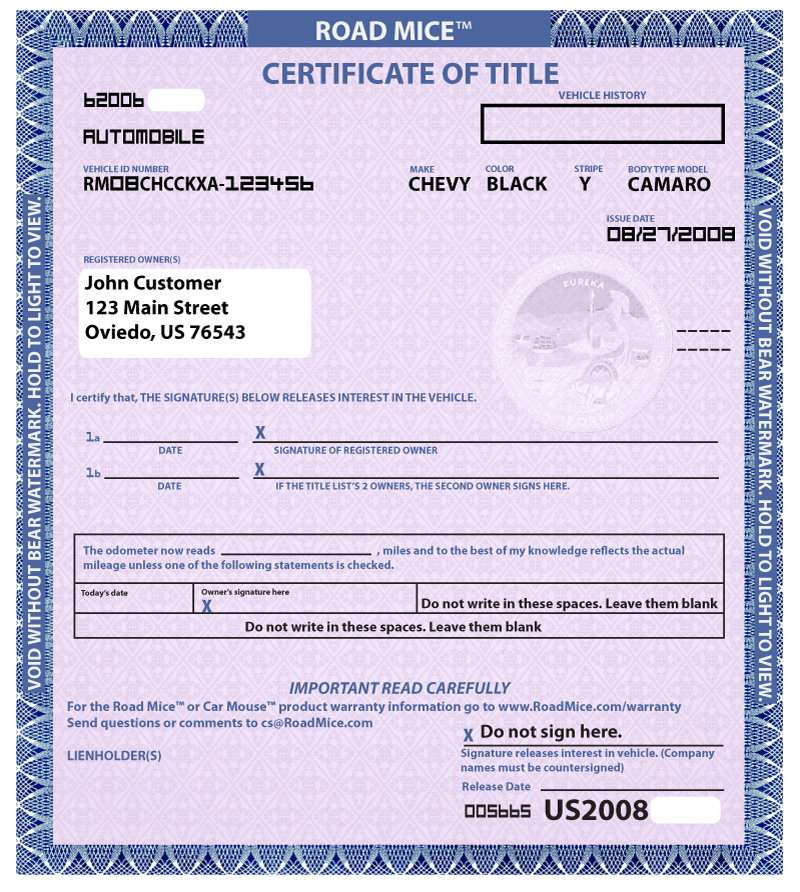
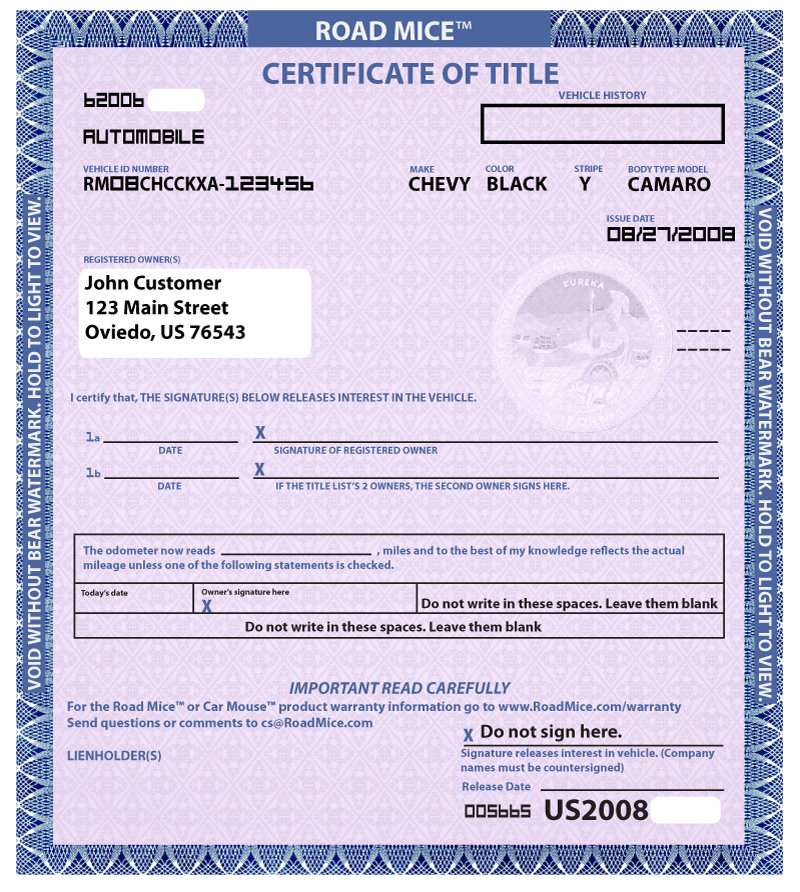
Why Do People Buy Fake Car Title Online? is a question that surfaces in forums, law‑enforcement reports, and consumer‑protection alerts. The short answer is that buyers seek a quick, cheap way to prove ownership when legitimate channels seem slow, costly, or inaccessible. This article dissects the psychological, economic, and situational drivers behind the demand for counterfeit vehicle titles, outlines the legal fallout, and offers practical steps to avoid becoming a victim.
Key Takeaways
- Why Do People Buy Fake Car Title Online often stems from urgency, financial strain, or distrust in bureaucratic processes.
- Fraudulent titles expose buyers to criminal charges, civil lawsuits, and irreversible loss of the vehicle.
- Spotting a fake title requires checking watermarks, font consistency, and verifying the VIN through official DMV channels.
- Legitimate alternatives—such as bonded titles, title‑transfer services, and expedited DMV appointments—exist and are far safer.
- Preventive measures include due diligence, escrow services, and reporting suspicious offers to authorities.
Why Do People Buy Fake Car Titles Online: Core Reasons Explored
Understanding the root causes helps stakeholders design better safeguards. Below, we break down the most common motivations.

Why Do People Buy Fake Car Titles Online: Psychological Triggers
Human behavior often leans toward shortcuts when faced with perceived obstacles. The desire for instant gratification can override rational risk assessment. Many individuals experience anxiety about delays in title processing, especially when they need the vehicle for work or emergencies. This anxiety fuels a willingness to ignore red flags.
Furthermore, cognitive biases such as optimism bias lead buyers to believe they will not get caught. The illusion of control makes them think they can manage any fallout. Social proof also plays a role; seeing others claim success with fake titles reinforces the behavior.
Consequently, the psychological profile of a typical buyer includes impulsivity, stress‑induced decision making, and a mistrust of governmental institutions.
Economic Pressures
Financial constraints are a powerful driver. When a buyer cannot afford the fees associated with legitimate title transfers—such as taxes, registration costs, or lien settlements—they may turn to cheaper illicit options. The promise of a title for a fraction of the official price is tempting, especially for low‑income individuals.
In addition, some buyers view the purchase as an investment flip. They acquire a vehicle with a problematic title, intending to resell it quickly before the fraud is detected. The short‑term profit motive outweighs the long‑term legal risk in their calculus.
As a result, economic hardship creates a fertile ground for title fraud markets to thrive.
Lack of Awareness
Many consumers simply do not know how to verify a car title’s authenticity. They lack knowledge about security features such as microprinting, holograms, or state‑specific watermarks. This ignorance makes them vulnerable to sophisticated forgeries that appear legitimate at first glance.
Moreover, misinformation spread through social media or word‑of‑mouth can create false confidence. Claims like “all online title services are legit” or “DMV never checks titles” lead to dangerous assumptions.
Therefore, education campaigns are essential to reduce the knowledge gap that fraudsters exploit.
Desire to Avoid Fees and Bureaucracy
The perception that DMV processes are slow, opaque, and costly pushes some buyers to seek alternatives. Long wait times for appointments, multiple required documents, and unclear fee structures generate frustration. When a seller offers a title that bypasses these hurdles, the offer seems like a relief.
Additionally, some buyers mistakenly believe that avoiding fees saves money in the long run, ignoring potential penalties, impoundment costs, or loss of the vehicle.
Thus, streamlining legitimate services could reduce the appeal of fraudulent shortcuts.
Legal Consequences of Using Fake Car Titles
Engaging with counterfeit titles is not a victimless act. The legal system treats title fraud as a serious offense, with penalties that can affect every aspect of a person’s life.
Criminal Penalties
Most states classify the creation, distribution, or use of a fake car title as a felony. Offenders may face imprisonment ranging from one to five years, depending on the jurisdiction and the scale of the fraud. Fines can exceed $10,000, especially when the fraud is part of a larger scheme.
Furthermore, repeat offenders often receive enhanced sentences. Law enforcement agencies prioritize title fraud because it frequently facilitates other crimes such as theft, money laundering, and insurance fraud.
Consequently, a criminal record stemming from title fraud can hinder employment, housing, and educational opportunities for years.
Civil Liability
Beyond criminal court, victims of title fraud can sue for damages. If a buyer purchases a vehicle with a fake title and later loses the car, they may seek restitution from the seller. Courts have awarded compensation for the vehicle’s market value, plus additional costs such as storage fees, towing, and legal expenses.
In addition, financiers or lien holders who unknowingly accept a fraudulent title may pursue claims against the party that supplied the false documentation. These civil actions can result in judgments that lead to wage garnishment or asset seizure.
Therefore, the financial exposure extends far beyond the initial purchase price.
Impact on Future Transactions
A record of title fraud creates long‑term obstacles in the automotive market. Dealerships, lenders, and insurance companies routinely run title checks through national databases. A flagged VIN can result in denial of financing, refusal to issue insurance, or blacklisting from dealer auctions.
Moreover, individuals attempting to register a vehicle in another state may encounter holds placed on their application until the fraud is resolved. This can delay essential transportation needs, affecting daily life and livelihood.
As a result, the reputational damage from a single fraudulent title can echo for years.

How to Spot a Fake Car Title
Vigilance is the first line of defense. Knowing what to look for can prevent a costly mistake.
Visual Inspection Tips
Authentic titles possess specific security elements that are difficult to replicate. Look for:
- Fine line patterns or guilloché designs in the background.
- Color‑shifting ink that changes hue when tilted.
- Embedded holograms or foil stamps displaying the state seal.
- Microprinted text that appears solid to the naked eye but reveals words under magnification.
If any of these features appear blurry, misaligned, or missing, the title is likely counterfeit.
Furthermore, examine the paper quality. Genuine titles are printed on specialized, tamper‑evident stock that resists tearing and shows visible fibers under light.
Verification Through DMV
The most reliable method is to request a title status check directly from the issuing state’s Department of Motor Vehicles. Many DMVs offer online portals where you can enter the VIN and receive instant confirmation of the title’s status, lien holders, and any reported alterations.
In addition, some states provide a telephone verification line. Speaking with a representative ensures that you are dealing with an official source and not a spoofed website.
Consequently, a quick DMV check can save you from purchasing a vehicle with a hidden fraud history.
Third‑Party Services
Several reputable companies specialize in vehicle history reports that include title verification. Services like Carfax, AutoCheck, and NMVTIS aggregate data from insurance companies, salvage yards, and law‑enforcement agencies. A report will flag titles that have been reported as stolen, salvaged, or altered.
Although these services involve a fee, the cost is negligible compared to the potential loss from a fraudulent purchase.
Therefore, combining a DMV check with a third‑party report offers robust protection.
Legitimate Alternatives to Obtaining a Car Title
When faced with a missing or problematic title, legal pathways exist that do not involve fraud.
DMV Title Services
Most states offer expedited title services for an additional fee. These services can reduce processing time from weeks to a few days. Applicants must submit proof of ownership, a completed application, and payment of any outstanding taxes or fees.
Furthermore, some DMVs provide mobile units or pop‑up offices in underserved areas, improving access for those who cannot travel to a central location.
Thus, utilizing official channels, even with a surcharge, remains the safest route.
Title Transfer Process
If you purchase a vehicle from a private seller, ensure the seller completes the title transfer correctly. The seller should sign the title over to you, provide a bill of sale, and, if required, submit a release of liability. You then take these documents to the DMV to receive a new title in your name.
In cases where the title is lost, the seller can apply for a duplicate title before the sale. This prevents the need for a fraudulent substitute.
Consequently, clear communication and proper paperwork eliminate the temptation to forge documents.
Bonded Titles
When a vehicle’s title is missing, and the owner cannot obtain a duplicate, many states allow a bonded title procedure. The applicant purchases a surety bond equal to the vehicle’s value, files it with the DMV, and, after a set period (often three years), receives a standard title if no claims arise.
This method provides a legal remedy while protecting potential claimants. Although it involves upfront costs, it avoids criminal risk.
Therefore, bonded titles serve as a legitimate stopgap for unresolved title issues.
Preventing Vehicle Title Fraud
Proactive steps by buyers, sellers, and lenders can dramatically reduce the incidence of fake title transactions.
For Buyers
Always insist on seeing the physical title before handing over payment. Verify the VIN on the title matches the VIN on the dashboard and driver’s side door jamb. Request a vehicle history report and perform a DMV check. Use escrow services for high‑value purchases to ensure funds are released only after title verification.
Furthermore, trust your intuition. If a deal seems too good to be true or the seller pressures you to act quickly, step back and investigate further.
Consequently, a cautious approach protects both your finances and your legal standing.
For Sellers
Maintain accurate records of all title transactions. Keep copies of bills of sale, release of liability forms, and any correspondence with the DMV. If a title is lost, apply for a duplicate promptly rather than offering a substitute.
In addition, educate yourself about your state’s title requirements. Knowing the exact documentation needed prevents misunderstandings that could be exploited by fraudsters.
Thus, diligent record‑keeping deters fraudulent attempts.
For Lenders
Implement strict title verification protocols before approving auto loans. Require a current title copy, run a VIN check through NMVTIS, and confirm that the title shows no liens or salvage brands unless disclosed. Utilize dealer floor‑plan inspections when financing inventory.
Moreover, stay updated on emerging fraud schemes through industry bulletins and law‑enforcement alerts.
As a result, robust lender due diligence reduces the flow of fraudulent titles into the credit market.
FAQ
What are the most common reasons people search for Why Do People Buy Fake Car Titles Online?
The primary motivations include urgency to obtain a vehicle for work or personal needs, financial constraints that make official fees prohibitive, lack of knowledge about title verification processes, and a desire to bypass perceived bureaucratic delays. Psychological factors such as optimism bias and social proof also reinforce the belief that fraudulent titles will go undetected.
How can I verify that a car title is legitimate before purchasing?
Start by examining the title for security features such as watermarks, holograms, microprinting, and color‑shifting ink. Ensure the VIN on the title matches the vehicle’s VIN. Then, contact the issuing state’s DMV—either online or by phone—to confirm the title’s status, lien holders, and any reported alterations. Finally, consider purchasing a vehicle history report from a reputable service like Carfax or NMVTIS for additional peace of mind.
What legal penalties exist for using a fake car title?
Using, creating, or distributing a fraudulent car title is typically classified as a felony. Penalties vary by state but can include imprisonment ranging from one to five years, fines exceeding $10,000, and a permanent criminal record. Offenders may also face civil lawsuits for damages, including the vehicle’s market value and associated costs. Additionally, a fraud record can hinder future financing, insurance, and employment opportunities.
Are there legitimate ways to obtain a title if the original is missing?
Yes. You can apply for a duplicate title through the DMV, which usually requires proof of identity, a completed application, and payment of a fee. If a duplicate cannot be obtained, many states offer a bonded title process: you purchase a surety bond equal to the vehicle’s value, file it with the DMV, and after a waiting period (often three years), receive a standard title if no claims arise. Some states also provide expedited title services for an additional fee.
What steps should I take if I suspect I have purchased a vehicle with a fake title?
Cease using the vehicle immediately and avoid any further transactions involving it. Gather all paperwork, including the bill of sale, the suspect title, and any communication with the seller. Contact your local law enforcement agency to report the fraud; provide them with the VIN and any evidence you have. Notify your insurance company and any lien holders. Finally, consult an attorney specializing in automotive fraud to explore options for recovering your losses and clearing your record.
Take Action Now
If you found this guide helpful, share it with friends, family, or anyone considering a vehicle purchase. Knowledge is the best defense against title fraud. For personalized assistance with title verification or to learn more about legitimate DMV services, click here to connect with our expert team today.


Comments
Post a Comment