Real SSN vs Fake SSN: Everything You Need to Know
Real SSN vs Fake SSN: Everything You Need to Know
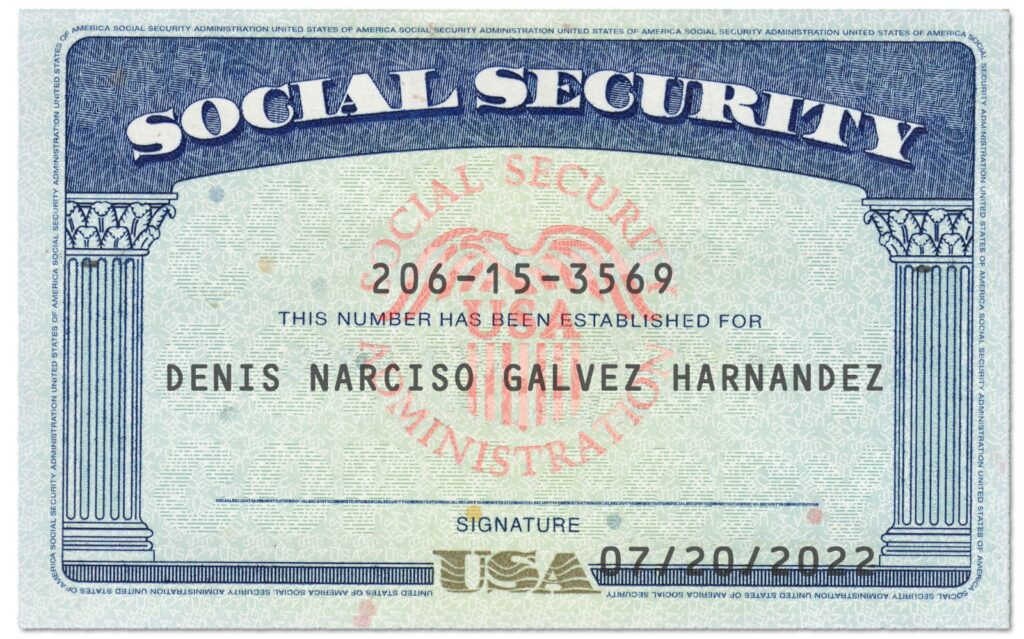
Real SSN vs Fake SSN: Everything You Need to Know
What Is a Social Security Number (SSN)?
Purpose and Importance of an SSN
A Social Security Number (SSN) is far more than just a string of nine digits—it’s essentially the backbone of identity verification in the United States. Think of it as a digital fingerprint that follows you throughout your life. Whether you’re applying for a job, opening a bank account, or filing taxes, your SSN acts as a unique identifier that connects you to your financial and legal records.
The importance of an SSN can’t be overstated. It plays a central role in tracking your earnings, calculating Social Security benefits, and ensuring that your tax contributions are accurately recorded. Without a valid SSN, navigating basic aspects of life—especially in financial and employment contexts—becomes incredibly difficult. It’s like trying to drive a car without a license; you might move forward temporarily, but the risks quickly pile up.
In today’s digital age, the SSN has also become a target for fraud and misuse. Cybercriminals actively seek access to SSNs because they unlock doors to sensitive personal information. This makes understanding the difference between a real SSN and a fake SSN not just important, but essential for protecting yourself and staying compliant with the law.
Who Issues SSNs and How They Work
SSNs are issued by the Social Security Administration (SSA), a U.S. government agency responsible for managing Social Security programs. Each number is unique and structured in a specific format: three digits for the area number, two for the group number, and four for the serial number. While the structure has evolved, the core purpose remains unchanged—ensuring each individual has a distinct identifier.
When someone applies for an SSN, they must provide valid documentation proving identity, age, and citizenship or immigration status. This strict verification process ensures that each SSN is legitimate and tied to a real individual. The SSA maintains a secure database that stores these records, making it possible to verify the authenticity of an SSN when needed. Shop Fake ID Online
What Is a Real SSN?
Characteristics of a Legitimate SSN
A real SSN has been officially issued by the Social Security Administration and is linked to a verified individual. It isn’t just about having a number that looks correct—it’s about authenticity, traceability, and legal recognition. A legitimate SSN will match the individual’s name, date of birth, and other identifying details in government databases.
One key characteristic of a real SSN is that it passes verification checks. Financial institutions, employers, and government agencies often use specialized systems to confirm whether an SSN is valid. If the number doesn’t match the associated records, it raises immediate red flags.
Another important aspect is consistency. A real SSN remains the same throughout a person’s life. It doesn’t change unless under extremely rare circumstances, such as identity theft cases, where a new number may be issued for protection. This permanence makes it a reliable tool for long-term identification.
How Real SSNs Are Assigned
The assignment of SSNs follows a controlled and regulated process. Applicants must submit official documents such as birth certificates, passports, or immigration papers. Once approved, the SSA generates a unique number that becomes permanently associated with the individual.
Since 2011, the SSA has used a randomization process to assign SSNs. This change was implemented to enhance security and prevent patterns that could be exploited by fraudsters. As a result, modern SSNs are harder to predict, adding an extra layer of protection.
What Is a Fake SSN?
Common Types of Fake SSNs
A fake SSN refers to any number that is not legitimately issued by the SSA or is used unlawfully. These numbers may appear valid at first glance, but they lack official recognition and often fail verification checks.
Randomly Generated Numbers
Some fake SSNs are simply random combinations of digits designed to mimic real ones. While they may follow the correct format, they don’t exist in official databases. These are often used in attempts to bypass basic verification systems, but they rarely hold up under scrutiny.
Stolen or Misused SSNs
Another type of fake SSN involves the misuse of real numbers belonging to other individuals. This is a more serious form of fraud because it directly harms the original owner. Identity theft cases often involve stolen SSNs being used to open accounts, apply for loans, or commit other financial crimes.
Real SSN vs Fake SSN: Key Differences
Comparison Table
| Feature | Real SSN | Fake SSN |
|---|---|---|
| Issued by Authority | Yes (SSA) | No |
| Linked to Identity | Verified individual | None or stolen identity |
| Legal Status | Legal | Illegal |
| Verification | Passes checks | Fails verification |
| Risk Level | Safe when protected | High risk |
Why People Use Fake SSNs
Financial Motives
One of the primary reasons individuals use fake SSNs is financial gain. Whether it’s accessing credit, securing loans, or bypassing eligibility requirements, the lure of quick benefits can be tempting. It’s like trying to skip the line at a crowded event—you might get ahead temporarily, but the consequences can be severe when you’re caught.
Identity Concealment
Others use fake SSNs to hide their true identity. This may be driven by fear, legal issues, or attempts to avoid detection. However, this approach often leads to more complications, as false identities are difficult to maintain over time.
Legal Consequences of Using a Fake SSN
Federal Laws and Penalties
Using a fake SSN is a serious offense under U.S. law. It falls under identity fraud and can result in heavy fines, imprisonment, or both. Federal statutes impose strict penalties, especially when the fake SSN is used for financial or criminal activities.
Real-Life Consequences
Beyond legal penalties, the real-life impact can be devastating. Individuals caught using fake SSNs may face damaged reputations, loss of employment, and long-term legal challenges. It’s not just about breaking the law—it’s about the ripple effects that follow.
Risks Associated with Fake SSNs
Financial Risks
Using a fake SSN can lead to financial instability. Accounts may be frozen, transactions flagged, and access to funds restricted. Imagine building a house on a weak foundation—it might stand for a while, but eventually, it collapses.
Personal and Legal Risks
The personal risks are equally significant. Legal troubles, stress, and uncertainty become constant companions. The fear of being discovered can affect every aspect of life, from work to relationships.
How to Verify a Real SSN
Legitimate Verification Methods
Verification should always be conducted through legal and authorized channels. Employers and institutions use official systems to confirm SSN validity. Individuals should never attempt unauthorized verification methods, as this can lead to privacy violations.
Protecting Your SSN from Fraud
Best Practices for Security
Protecting your SSN is crucial in today’s digital landscape. Simple steps can make a big difference:
- Avoid sharing your SSN unless necessary
- Store documents securely
- Monitor financial statements regularly
- Use identity theft protection services
These practices act like a shield, helping you safeguard your personal information.
The Role of SSNs in Modern Society
The SSN has evolved into a cornerstone of identity in the United States car title online near me. From employment to healthcare, it plays a vital role in everyday life. As systems become more interconnected, the importance of maintaining a valid and secure SSN continues to grow.
How SSN Fraud Is Detected in Today’s Digital World
If you think fake SSNs can easily slip through the cracks in modern systems, think again. Technology has evolved dramatically, and with it, the mechanisms used to detect fraud have become far more sophisticated. Today, organizations don’t just rely on basic number validation—they use layered verification systems powered by databases, algorithms, and even artificial intelligence to flag suspicious activity in real time.
Financial institutions, for example, cross-check SSNs against multiple data points such as credit history, employment records, and address consistency. If something doesn’t align—like a newly issued SSN suddenly having a long credit history—it raises an immediate red flag. It’s similar to trying to pass off a brand-new passport with decades of travel stamps; the inconsistency is hard to ignore.
Government agencies also play a major role in fraud detection. They use centralized databases to identify duplicate or suspicious SSN usage. When the same number appears in multiple locations or is linked to conflicting identities, investigations are triggered. Employers are also required to verify employee SSNs through official systems, making it increasingly difficult to use fake numbers in the workforce.
What makes this even more interesting is the use of behavioral analytics. Systems now monitor patterns—how someone uses their SSN, where it’s used, and how frequently. Any unusual activity, such as multiple credit applications in a short time frame, can lead to automatic alerts. This layered approach makes it extremely risky to rely on fake SSNs, as detection is often just a matter of time. Contact a fake ID Vendor
The Psychological and Social Impact of Using Fake SSNs
While most discussions focus on legal and financial consequences, the psychological toll of using a fake SSN is often overlooked. Living with a false identity can create constant stress and anxiety. Imagine waking up every day knowing that a simple background check or verification process could expose everything—that’s a heavy mental burden to carry.
This stress can seep into every aspect of life. Relationships may suffer because of the need to hide information or maintain a fabricated story. Professional growth can also be limited, as many opportunities require thorough permanent resident background checks. It’s like trying to build a future on shifting sand—no matter how much effort you put in, the foundation remains unstable.
Socially, the stigma associated with identity fraud can be damaging. Once discovered, trust is often broken—not just with institutions, but with friends, family, and colleagues. Rebuilding that trust can take years, if it’s even possible. The emotional cost, combined with legal and financial risks, makes the use of fake SSNs far more damaging than it might initially seem.
How Businesses Protect Themselves from SSN Fraud
Businesses are on the front lines when it comes to detecting and preventing SSN fraud. From banks to online retailers, companies invest heavily in security measures to ensure they’re dealing with legitimate individuals. This isn’t just about compliance—it’s about protecting their operations and customers.
One common approach is multi-layered identity verification. Instead of relying solely on an SSN, businesses combine it with other identifiers such as government-issued IDs, biometric data, and two-factor authentication. This creates a more robust verification process that’s harder to bypass.
Another key strategy is real-time monitoring. Businesses use advanced software to track transactions and identify unusual patterns. For example, if an account suddenly shows activity from multiple geographic locations within a short period, it triggers an alert. This proactive approach allows companies to act quickly and prevent potential fraud.
Employee training is also crucial. Staff are trained to recognize warning signs, such as inconsistent information or suspicious behavior during application processes. When combined with technology, human oversight adds another layer of protection.
The Role of Credit Bureaus in SSN Verification
Credit bureaus are central to the SSN ecosystem, acting as gatekeepers of financial identity. They maintain detailed records of individuals’ credit histories, all tied to their SSNs. When a new account is opened or a loan is requested, these bureaus provide the data needed to assess risk.
What’s fascinating is how credit bureaus detect anomalies. If an SSN is used with a name or address that doesn’t match existing records, it raises a flag. Similarly, if multiple identities are linked to the same SSN, it can trigger investigations. This makes it extremely difficult for fake SSNs to maintain a consistent and believable financial profile.
Credit monitoring services also empower individuals to protect themselves. By regularly checking their credit reports, people can spot unauthorized activity early. It’s like having a security camera for your financial identity—constantly watching for anything out of place.
Identity Theft vs Fake SSNs: Understanding the Overlap
It’s easy to confuse fake SSNs with identity theft, but the two are closely related yet distinct concepts. Identity theft often involves the misuse of a real SSN, while fake SSNs may involve entirely fabricated numbers or partially altered ones. However, the line between the two can blur in practice.
For instance, someone using a stolen SSN is essentially creating a “fake identity” based on real information. This can be even more dangerous than using a completely fabricated number because it’s harder to detect initially. The stolen SSN already exists in official records, making it appear legitimate at first glance.
The impact on victims of identity theft can be severe. Their credit scores may be damaged, accounts opened in their name, and debts accumulated without their knowledge. Recovering from such situations can take years and requires significant effort.
Understanding this overlap highlights why both issues are taken so seriously. Whether it’s a fake SSN or a stolen one, the consequences ripple outward, affecting individuals, businesses, and entire systems.
Global Perspective: Identification Systems Beyond SSNs
While the SSN is specific to the United States, other countries have their own identification systems. These systems serve similar purposes—tracking citizens, managing taxes, and facilitating access to services—but they vary in structure and security.
For example, many countries use national ID numbers that are integrated into broader identification cards. Some systems incorporate biometric data, such as fingerprints or facial recognition, adding an extra layer of security. This makes them harder to fake compared to traditional SSNs.
The global trend is moving toward more secure and integrated systems. Digital identities, blockchain-based verification, and biometric authentication are becoming more common. These advancements aim to reduce fraud and improve efficiency, but they also raise questions about privacy and data security.
Future of SSNs: Are They Becoming Obsolete?
With all the challenges surrounding SSNs, it’s natural to wonder whether they’ll eventually be replaced. Many experts believe that while SSNs won’t disappear overnight, their role will evolve significantly.
Emerging technologies are already changing how identity is verified. Biometric systems, for instance, rely on unique physical traits rather than numerical identifiers. Digital identity platforms are also gaining traction, allowing individuals to control and share their information securely.
However, transitioning away from SSNs is a complex process. The entire financial and legal infrastructure in the U.S. is built around them. Replacing such a deeply embedded system requires careful planning and widespread adoption of new technologies.
In the meantime, efforts are being made to strengthen SSN security. Enhanced verification methods, stricter regulations, and increased public awareness are all part of the solution. The goal isn’t just to replace SSNs, but to create a more secure and resilient identity system for the future.
Case Studies: Real-World Examples of SSN Fraud and Its Consequences
To truly understand the difference between a real SSN and a fake SSN, it helps to look at how things play out in real life. Case studies reveal patterns, mistakes, and consequences that theory alone can’t fully capture. Over the years, numerous fraud cases have demonstrated just how fragile a fake identity can be when exposed to scrutiny.
Consider a scenario where an individual uses a fabricated SSN to apply for multiple credit cards. Initially, everything seems to work—applications are approved, credit lines are extended, and spending begins. But over time, inconsistencies start to surface. Credit bureaus notice irregularities in the credit history, such as mismatched personal information or duplicate entries. Eventually, the accounts are flagged, frozen, and investigated. What began as a seemingly successful attempt quickly spirals into legal trouble and financial chaos.
In another case, a stolen SSN was used to secure employment. For months, the individual worked without issue, receiving paychecks and blending into the system. However, when tax season arrived, discrepancies emerged. The legitimate owner of the SSN discovered unexpected income reported under their name, triggering an investigation. The fallout affected both parties—the victim had to resolve tax complications, while the perpetrator faced legal consequences.
These examples highlight a common theme: fake SSNs may offer short-term gains, but they rarely withstand long-term scrutiny. Systems are interconnected, and sooner or later, inconsistencies surface.
How Governments Are Strengthening SSN Security
Governments are fully aware of the risks associated with SSN misuse, and they’ve been actively working to strengthen security measures. Over the past decade, several initiatives have been introduced to reduce fraud and protect individuals.
One major step was the implementation of SSN randomization. By eliminating predictable patterns in SSN issuance, authorities made it significantly harder for fraudsters to guess or generate valid numbers. This change alone disrupted many traditional fraud tactics.
Another important development is enhanced data sharing between agencies. Government departments now collaborate more closely, sharing information to detect suspicious activity. For example, discrepancies between tax records and employment data can trigger automatic reviews. This interconnected approach creates a safety net that catches inconsistencies early.
Public awareness campaigns also play a role. By educating citizens about the importance of protecting their SSNs, governments aim to reduce the risk of identity theft. Simple actions—like avoiding unnecessary sharing of personal information—can have a big impact when practiced widely.
Conclusion
Understanding the difference between a real US SSN and a fake Generator SSN is essential for navigating legal, financial, and personal landscapes. A real SSN provides legitimacy, stability, and access to essential services, while a fake SSN introduces risks, legal consequences, and uncertainty. Making informed decisions and prioritizing security can help you avoid pitfalls and protect your future. Read More
FAQs
1. Can a fake SSN ever become valid?
No, a fake SSN cannot become legitimate. Only the Social Security Administration can issue valid SSNs.
2. Is using someone else’s SSN considered fake?
Yes, using another person’s SSN is illegal and classified as identity theft.
3. How can I check if my SSN is being misused?
Regularly monitor your credit reports and financial accounts for unusual activity.
4. What should I do if my SSN is stolen?
Report it immediately to the relevant authorities and consider identity theft protection services.
5. Are SSNs used outside the United States?
SSNs are specific to the U.S., but other countries have similar identification systems.
6. Can employers detect fake SSNs easily?
Yes, most employers use verification systems that can quickly identify invalid or mismatched SSNs.
7. What happens if you accidentally use an incorrect SSN?
It can lead to administrative issues, but correcting it promptly with proper documentation usually resolves the problem.
8. Are fake SSNs common in online fraud?
Yes, they are often used in scams, but advanced detection systems make it increasingly difficult for them to succeed.
9. Can you legally change your SSN?
Only in rare cases, such as severe identity theft or safety concerns, does it require approval from authorities.
10. How long does it take to recover from SSN fraud?
Recovery can take months or even years, depending on the severity of the misuse and the steps taken to resolve it.


Comments
Post a Comment