How to Verify a Car Title Before Buying
How to Verify a Car Title Before Buying

How to Verify a Car Title Before Buying: Complete Guide to Avoid Fraud, Liens, and Ownership Problems
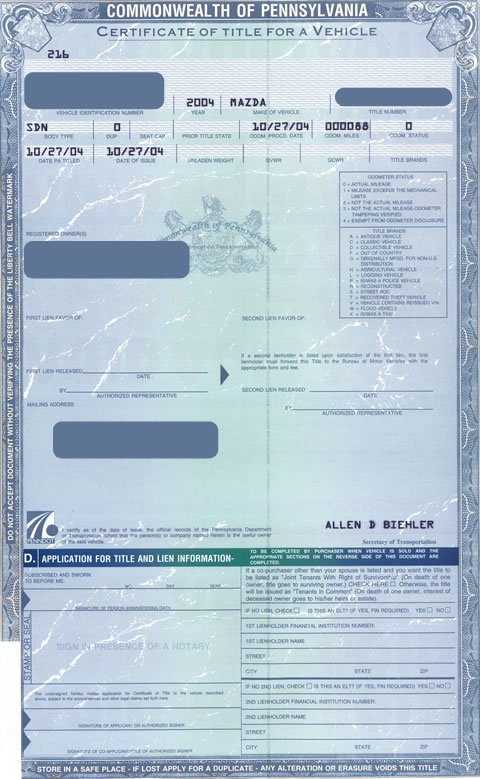
Buying a used vehicle can be a smart financial move, but one mistake can turn a bargain into a costly problem. One of the most critical steps in any purchase is learning how to verify a car title before buying. A title confirms ownership, reveals legal status, and may expose hidden risks such as unpaid liens, salvage branding, flood damage, or title fraud.
A vehicle can look perfect, drive well, and still carry serious title issues that reduce value or prevent registration. That is why every buyer should inspect the title before paying money or signing paperwork.
This complete guide explains exactly how to verify a car title before buying, what to check, red flags to avoid, how to compare VIN records, how to detect fake titles, and how to protect yourself in private-party and dealership transactions.
What Is a Car Title and Why It Matters
A car title is the legal ownership document issued by a state motor vehicle authority. It identifies who owns the vehicle and records important legal information.
What a Title Usually Includes
- Legal owner name
- Vehicle Identification Number (VIN)
- Make, model, year
- Title number
- Odometer disclosures
- Lienholder information
- Title brand (salvage, rebuilt, flood, etc.)
If the title is invalid, altered, missing, or linked to unpaid claims, the buyer may face major problems.
How to transfer a vehicle title legally
Why You Must Verify a Car Title Before Buying
Many buyers focus only on price, mileage, and condition. However, title problems can be more expensive than mechanical repairs.
Risks of Buying Without Title Verification
- Vehicle cannot be registered
- Hidden bank lien or loan balance
- Stolen vehicle risk
- Salvage or flood history
- Odometer fraud
- Ownership disputes
- Fake or forged documents
- Lower resale value
A quick title check can prevent months of legal and financial trouble.
How to Verify a Car Title Before Buying: Step-by-Step
Use this proven process before handing over payment.
Step 1: Inspect the Physical Title
Ask to see the original title, not a copy.
Check for:
- Clean paper quality
- Official seals or watermark
- Matching owner name
- No erasures or white-out
- No missing pages
- Clear printing
Step 2: Match the VIN
Compare the VIN on:
- Title
- Dashboard VIN plate
- Driver door sticker
- Registration papers
- Insurance card if available
Every number must match exactly.
Step 3: Confirm Seller Identity
The person selling should match the owner listed on title unless acting with legal authority.
Step 4: Review Lien Status
If a lender is listed, ask for lien release proof.
Step 5: Check Title Brand
Look for labels such as:
- Salvage
- Rebuilt
- Flood
- Lemon buyback
- Odometer discrepancy
Step 6: Run Vehicle History Check
Use VIN history services to compare ownership records.
How to Read a Car Title Correctly
Many buyers hold a title but do not know what to review.
Most Important Areas
Owner Section
Should match seller’s ID.
VIN Section
Must match the vehicle exactly.
Lienholder Section
If listed, there may still be debt attached.
Assignment Section
Should be blank until sale occurs.
Branding Section
May show rebuilt, salvage, or flood status.
Mileage Section
Review for consistency with vehicle age.
How to Replace a Lost Car Title
How to Verify the VIN Against the Vehicle
VIN mismatch is one of the biggest warning signs.
Where to Find VIN on Car
- Dashboard near windshield
- Driver door jamb sticker
- Engine bay (some models)
- Registration card
- Insurance documents
Red Flags
- Scratched rivets near VIN plate
- Uneven labels
- Different fonts
- Missing sticker
- One digit mismatch
Never proceed if VIN numbers differ.

How to Check for Liens Before Buying
A lien means a lender or creditor may still have legal rights to the vehicle.
How to Detect a Lien
- Listed on title
- Vehicle history report shows active lien
- Seller says loan not yet paid off
- State title office confirms lien record
Safest Solutions
- Meet seller at lender branch
- Pay lender directly
- Obtain official lien release before purchase
Without lien clearance, ownership transfer can be blocked.
How to Spot a Salvage or Rebuilt Title
Some damaged cars are repaired and sold later.
Common Title Brands
- Salvage
- Rebuilt
- Reconstructed
- Flood damage
- Total loss
Why It Matters
These vehicles may have:
- Lower resale value
- Insurance limitations
- Structural concerns
- Financing difficulty
Always price branded-title vehicles accordingly.
How to Detect a Fake or Altered Car Title
Fraudsters may use forged paperwork to sell stolen or encumbered vehicles.
Warning Signs
- Blurry print quality
- Misspelled words
- Different ink colors in key fields
- Erasures or correction fluid
- Seller avoids DMV meeting
- Signature mismatches
- Missing state seal
Best Protection
Complete the sale at a DMV office or bank where paperwork can be reviewed.
Branded Titles: How to Understand and Manage Online
Private Seller vs Dealership Title Verification
| Factor | Private Seller | Dealership |
|---|---|---|
| Fraud Risk | Higher | Lower |
| Price Potential | Better | Higher |
| Paperwork Support | Lower | Higher |
| Lien Risk | Moderate | Lower |
| Convenience | Medium | High |
Private deals can save money but require stronger verification.
Questions to Ask Before Buying a Car
Use these smart buyer questions.
Essential Questions
- Is the title in your name?
- Are there any liens?
- Has the vehicle ever been salvage or rebuilt?
- Why are you selling?
- How long have you owned it?
- Do VIN and title match?
- Can we meet at DMV or bank?
- Do you have maintenance records?
Best Places to Complete the Purchase Safely
Recommended Locations
- DMV office
- Bank branch
- Police safe exchange zone
- Public business parking area
Why These Work
- Security cameras
- Witnesses nearby
- Immediate paperwork support
- Safer payment handling
Featured Snippet Answer: How Do You Verify a Car Title Before Buying?
To verify a car title before buying, inspect the original title, match the VIN to the vehicle, confirm the seller is the listed owner, check for liens, review title brands like salvage or flood, and compare records with a VIN history report before making payment.
Common Mistakes Buyers Make
Avoid these expensive errors.
Top Mistakes
- Paying before seeing title
- Ignoring VIN mismatch
- Trusting verbal lien claims
- Skipping vehicle history report
- Buying with open title already signed
- Not checking seller ID
- Rushing due to “today only” pressure
What to Do If Title Has Problems
Missing Title
Ask seller to obtain duplicate title first.
Lien Still Open
Require payoff and release documentation.
Name Does Not Match Seller
Request power of attorney or proper owner presence.
VIN Mismatch
Walk away immediately.
Salvage History Hidden
Re-negotiate or decline purchase.
How to Verify Title Before Paying Cash
Cash buyers need extra caution.
Safe Cash Steps
- Inspect title first
- Verify VIN on vehicle
- Meet at bank
- Count funds after paperwork review
- Get signed bill of sale
- Transfer title immediately

Advanced Car Title Verification Strategies Before Buying
Basic title checks are essential, but experienced buyers go further. A vehicle can appear legitimate on the surface while still hiding ownership disputes, unpaid obligations, cloned VINs, title washing history, or suspicious transfer patterns. The advanced checks below help buyers verify a title with far greater confidence.
How to Verify the Seller Is the True Legal Owner
One of the biggest mistakes buyers make is assuming the person holding the keys owns the vehicle.
What to Compare
Match these details carefully:
- Name on title
- Government-issued ID
- Signature style
- Vehicle possession history
- Registration documents
Warning Signs
- Seller says they are “selling for a relative”
- Seller refuses to show ID
- Name on title does not match seller
- Seller wants quick cash only
- Story changes during meeting
Best Solution
Require the titled owner to be present or provide legally valid power of attorney.
How to Detect Title Jumping
Title jumping happens when someone buys a vehicle but never registers it in their name, then resells it illegally.
Common Signs of Title Jumping
- Seller name does not match title owner
- Title already signed by previous owner
- Blank buyer fields on title
- Seller avoids tax questions
- Seller wants no bill of sale
Why It Matters
Title jumping can create:
- Registration rejection
- Tax complications
- Ownership disputes
- Fraud risk
Best Move
Only buy from the person legally listed on the title unless official dealer authority exists.
How to Spot Title Washing
Title washing is when a damaged vehicle is retitled in another state to hide branding such as salvage or flood history.
Common Hidden Histories
- Flood damage
- Total loss insurance claims
- Rebuilt status
- Severe accident history
How to Catch It
- Use multi-state VIN history reports
- Review prior registrations
- Check inconsistent ownership timelines
- Inspect vehicle for repair evidence
Physical Warning Signs
- New carpet smell with rust underneath
- Water lines in trunk
- Corrosion in seat tracks
- Fresh paint over repair zones
How to Verify Odometer Accuracy Through Title Records
Mileage fraud remains common in used car sales.
Compare Mileage Sources
- Title mileage disclosures
- Registration renewals
- Service records
- Dashboard reading
- Inspection records
Red Flags
- Current mileage lower than older records
- Excessive wear for low miles
- Missing service history
- Odometer discrepancy noted on title
A low-mileage deal is not valuable if the mileage is false.
How to Check Title Transfer History
Frequent ownership changes can reveal hidden problems.
Possible Concerns With Many Owners
- Mechanical issues
- Failed flips
- Accident history
- Hidden defects
- Commercial overuse
When Multiple Owners Are Fine
- Older vehicles
- Family transfers
- Estate transfers
- Seasonal collector cars
Use context, not owner count alone.
Digital Title for Car: Everything You Need to Know
How to Verify a Dealer Title Before Buying
Dealers are generally safer than private sellers, but checks still matter.
Ask for These Items
- Title availability status
- Reconditioning records
- Vehicle history report
- Warranty details
- Buyback or lemon disclosures if applicable
Watch For
- “Title in transit” delays
- Missing ownership paperwork
- Hidden dealer fees
- Branded title not clearly disclosed
Never assume every dealership transaction is flawless.
How to Verify an Out-of-State Title
Out-of-state vehicles can be great purchases, but paperwork standards vary.
What to Check
- State-issued title authenticity
- VIN consistency
- Lien records
- Branding history
- Emissions eligibility for your state
Extra Tip
Call your local DMV first to confirm what documents are required to register that state’s title.
How to Use a DMV or Title Office for Verification
One of the safest strategies is to meet where ownership paperwork can be confirmed.
Benefits of Meeting at DMV
- Staff may identify missing fields
- Immediate transfer processing
- Safer environment
- Reduced forgery risk
- Faster completion
Ideal Use Cases
- High-value purchases
- Cash deals
- Out-of-state buyers
- Seller seems rushed
How to Verify a Car Title Before Buying With Cash
Cash transactions need stronger controls.
Safe Cash Process
- Inspect title first
- Match VIN to vehicle
- Confirm seller ID
- Meet at bank or DMV
- Complete title signatures
- Exchange payment after paperwork review
- Get keys, title, bill of sale
Never Do This
- Send deposits blindly
- Bring full cash to isolated places
- Pay before seeing title
Expert Buyer Comparison: Clean Title vs Branded Title
| Factor | Clean Title | Salvage/Rebuilt Title |
|---|---|---|
| Resale Value | Higher | Lower |
| Financing | Easier | Harder |
| Insurance | Easier | Sometimes limited |
| Risk Level | Lower | Higher |
| Purchase Price | Higher | Lower |
Branded-title cars can work for some buyers, but pricing must reflect added risk.
Extra Questions to Ask Before Purchase
Smart Questions That Reveal Problems
- How long have you owned it?
- Why are you selling now?
- Has insurance ever totaled it?
- Are there any unpaid loans?
- Can we verify title at DMV today?
- Do you have service receipts?
- Has it ever had flood or hail damage?
Seller hesitation often tells a story.
Ultimate Title Verification Checklist
Ownership Check
- Seller ID matches title
- No suspicious stories
- Signatures appear consistent
Vehicle Check
- VIN matches everywhere
- No tampered plates
- Condition matches mileage claim
Legal Check
- No active lien
- No hidden branding concerns
- Transfer process ready
Transaction Check
- Safe meeting place
- Bill of sale ready
- Payment method secure
Frequently Asked Questions
1. Can I buy a car without title?
Usually no. Require a valid title first.
2. How do I know if title is real?
Check seals, VIN match, owner details, and state formatting.
3. Can a car have hidden liens?
Yes. Always verify through records.
4. What if seller says title is lost?
Ask them to replace it before sale.
5. Is a salvage title bad?
Not always, but value and risk differ.
6. Can VIN history replace title inspection?
No. Use both together.
7. Should seller ID match title name?
Yes, unless legal authority exists.
8. What is title washing?
When branding is hidden through interstate paperwork.
9. Can I register car with fake title?
No, and legal problems may follow.
10. Is buying from dealer safer?
Often yes, but still inspect records.
11. What if title already signed blank?
Use caution; may indicate title jumping.
12. Should I meet at DMV?
Yes, it is one of the safest options.
13. What if there are two owners listed?
Both may need to sign depending on title wording.
14. Can flood cars have clean titles?
Sometimes branding is missed or washed.
15. What if seller refuses VIN check?
Walk away.
Used Car Title Verification Checklist
Before Paying
- Original title seen
- VIN matches vehicle
- Seller ID matches owner
- No active lien
- No suspicious branding
- Bill of sale ready
- Vehicle history checked
- Safe meeting location chosen
16. Can a car have a clean title after major damage?
Sometimes, depending on insurance and state thresholds.
17. Can I trust only a VIN report?
No. Always inspect title and vehicle too.
18. What if seller says title arrives next week?
Wait until title is available.
19. Can someone fake a lien release?
Yes. Verify directly if unsure.
20. Is handwritten title normal?
Some fields may be handwritten, but clarity matters.
21. What if title is in another person’s name?
Require legal proof of authority or walk away.
22. Are duplicate titles suspicious?
Not always. Many are legitimate replacements.
23. Can rebuilt cars be worth buying?
Sometimes, if inspected and priced correctly.
24. Should I get a mechanic inspection too?
Yes, title checks and mechanical checks are both essential.
25. What if seller pressures immediate payment?
Slow down or walk away.
Verify the Car Title Before Buying Every Time
Knowing how to verify a car title before buying is one of the smartest ways to avoid fraud, legal trouble, and costly mistakes. A title tells the real story of ownership, debt status, branding history, and whether the seller has the right to transfer the vehicle.
Never rush a purchase. Match the VIN, confirm identity, inspect the title carefully, verify liens, and complete payment only after everything checks out. A few extra minutes of title verification can save thousands of dollars and protect your future ownership rights.
Knowing how to verify a car title before buying gives buyers a major advantage in the used vehicle market. It helps uncover fraud, protects money, confirms ownership rights, and prevents registration headaches after purchase.
The smartest buyers do not rely on trust alone. They compare VIN records, confirm seller identity, inspect the original title, review history reports, and complete the deal in a secure location. Careful title verification transforms a risky purchase into a confident and legally sound investment.


Comments
Post a Comment