How to Transfer a Vehicle Title Legally
- Get link
- X
- Other Apps
How to Transfer a Vehicle Title Legally

How to Transfer a Vehicle Title Legally: Complete Step-by-Step Guide for Fast, Secure Ownership Transfer
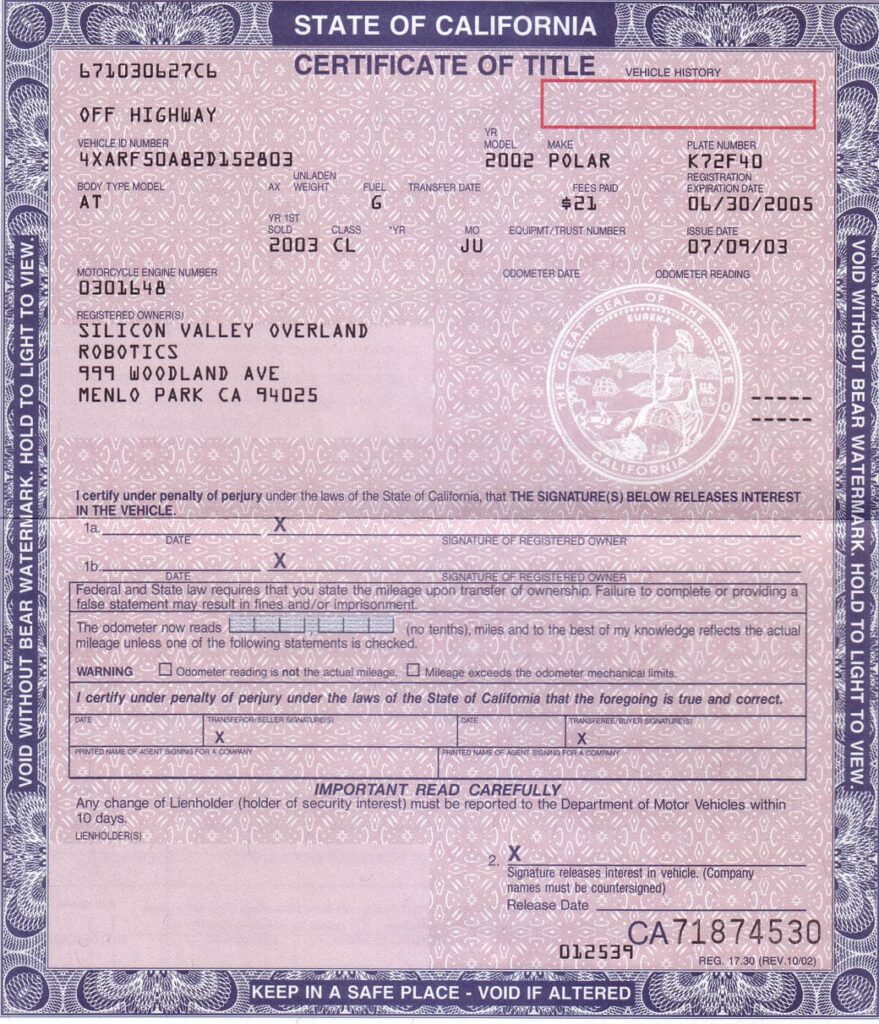
Transferring a vehicle title legally is one of the most important parts of buying, selling, gifting, inheriting, or donating a car. A properly completed title transfer protects both parties, confirms ownership rights, prevents future liability, and ensures the vehicle can be registered without delays.
If the title is signed incorrectly, filed late, or missing required documents, the process can become expensive and frustrating. That is why understanding how to transfer a vehicle title legally is essential before any transaction takes place.
This complete guide explains every step of legal vehicle title transfer, including documents required, seller and buyer responsibilities, title fees, family transfers, inherited vehicles, lien situations, mistakes to avoid, and practical strategies for a fast and secure transaction.
What Does It Mean to Transfer a Vehicle Title Legally?
A vehicle title transfer is the official legal process of changing ownership from one person or entity to another through the state motor vehicle authority.
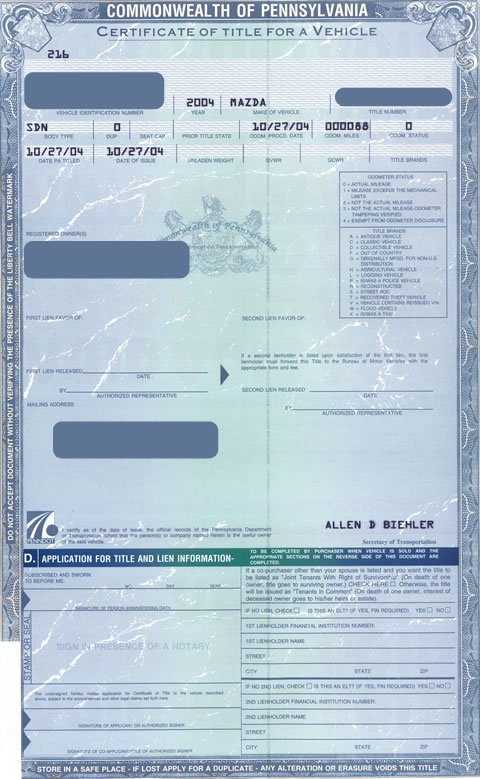
The title typically contains:
- Owner name
- Vehicle Identification Number (VIN)
- Make, model, and year
- Title number
- Odometer information
- Lienholder details if financed
Once the title is transferred, the new owner becomes the recognized legal owner of the vehicle.
When Do You Need to Transfer a Vehicle Title?
A legal title transfer is required in many situations.
Most Common Reasons
- Selling a car privately
- Buying a used vehicle
- Gifting a car to family
- Transferring after death
- Divorce settlement vehicle transfer
- Donating a vehicle
- Adding or removing a co-owner
- Moving title into a trust or business
- Paying off loan and updating ownership
If ownership changes, the title usually must be updated.
How to Replace a Lost Car Title online
How to Transfer a Vehicle Title Legally: Step-by-Step
Although each state has different procedures, the core process is similar nationwide.
Step 1: Review the Current Title
Confirm:
- Correct owner names
- VIN matches vehicle
- No errors or damage
- Lien status
- Whether signatures require both owners
Step 2: Complete Title Assignment
Seller signs the transfer section and enters:
- Buyer name
- Date of sale
- Sale amount
- Odometer reading if required
Step 3: Prepare Supporting Documents
Usually includes:
- Bill of sale
- Photo ID
- Insurance proof
- Registration application
- Lien release if applicable
Step 4: Submit to DMV
Buyer usually files documents with the DMV or title agency.
Step 5: Pay Fees and Taxes
May include:
- Title transfer fee
- Registration fee
- Sales tax
- Plate fee
Step 6: Receive New Title
The state issues a new title in the buyer’s name.
Branded Titles: How to Understand and Manage Online
Documents Needed to Transfer a Vehicle Title Legally
Having complete paperwork prevents delays.
Seller Should Provide
- Original title
- Signed title transfer section
- Bill of sale
- Odometer disclosure
- Lien release if needed
Buyer Should Provide
- Government-issued ID
- Insurance proof
- Payment method for fees
- Registration form
- Address proof if requested
Helpful Extras
- Maintenance records
- Spare keys
- Vehicle history report
Digital Title for Car: Everything You Need to Know
How to Transfer a Vehicle Title After Selling a Car
Private sales require attention to detail.
Seller Checklist
- Confirm buyer identity
- Fill out title clearly
- Keep copies of signed forms
- File release of liability
- Remove plates if state requires
- Cancel insurance after transfer complete
Buyer Checklist
- Verify VIN matches title
- Confirm seller is titled owner
- Check title for damage or alterations
- Submit transfer promptly
- Insure vehicle before driving
Best Practice
Meet at a bank or DMV office for safer payment and immediate paperwork handling.

How to Transfer a Vehicle Title to a Family Member
Many states allow simplified family title transfers.
Common Family Transfers
- Parent to child
- Child to parent
- Spouse to spouse
- Grandparent to grandchild
Possible Advantages
- Reduced taxes
- Lower fees
- Simpler forms
Typical Documents
- Signed title
- Family transfer affidavit
- Relationship proof if requested
Car Title Paper for Sale: Best Guide
How to Transfer a Vehicle Title as a Gift
A gifted car still requires legal ownership transfer.
Standard Process
- Sign title to recipient
- Mark gift status if applicable
- Complete gift affidavit
- New owner registers vehicle
- Update insurance policy
Important Note
Even gifted vehicles may require registration or title fees depending on state rules.
How to Transfer a Vehicle Title After Death
Inherited vehicles often require additional paperwork.
Documents May Include
- Death certificate
- Probate order
- Letters testamentary
- Small estate affidavit
- Existing title
Who Can Transfer It
This depends on:
- State probate law
- Named heirs
- Surviving spouse rights
- Estate administration status
Because inheritance rules differ, verify local requirements before proceeding.
How to Transfer a Vehicle Title With a Lien or Loan
If money is still owed on the vehicle, the lender may control the title.
Loan Paid Off
Need:
- Official lien release
- Updated title record
Loan Still Active
Possible options:
- Pay off balance first
- Buyer pays lender directly
- Trade-in handled by dealership
Important Reminder
Never assume a verbal payoff is enough. Obtain written lien release confirmation.
How Long Does Legal Title Transfer Take?
Processing times vary by state and method.
| Method | Typical Timeline |
|---|---|
| In person | Same day to 10 days |
| Online | 3–14 days |
| 2–6 weeks | |
| Probate cases | Longer |
Some states issue electronic titles after approval.
How Much Does It Cost to Transfer a Vehicle Title Legally?
Fees depend on location and vehicle value.
Common Charges
- Title transfer fee: $15–$100+
- Registration fee
- Sales/use tax
- Plate fee
- Penalties for late transfer
Ways to Reduce Costs
- Family transfer exemptions
- Gift transfer allowances
- Prompt filing to avoid penalties
Common Mistakes That Make Title Transfers Illegal or Delayed
Avoid these frequent errors.
Top Problems
- Seller signs wrong line
- Missing buyer information
- Wrong VIN entered
- Cross-outs or white-out used
- Odometer left blank
- Lien not released
- Late filing after sale
- Buyer name misspelled
Best Solution
Review all fields before anyone signs.
Online vs In-Person Title Transfer
| Option | Best For | Speed | Convenience |
|---|---|---|---|
| Online | Standard transfers | Fast | High |
| In Person | Errors, liens, complex deals | Fast/Medium | Moderate |
| Non-urgent transfers | Slow | Good |
Featured Snippet Answer: How Do You Transfer a Vehicle Title Legally?
To transfer a vehicle title legally, the seller signs the title to the buyer, both parties complete required information, supporting documents are submitted to the DMV, taxes and fees are paid, and a new title is issued in the new owner’s name.
Special Situations in Legal Vehicle Title Transfer
Transfer to a Spouse
Often simplified and may reduce taxes.
Transfer to a Business
May require company documents and authorized signatures.
Transfer Out of State
May require emissions testing or VIN inspection.
Transfer to Trust
Often used for estate planning.
Transfer After Divorce
May require court judgment or settlement agreement.
[INTERNAL LINK: out of state title transfer]
Advanced Legal Strategies for Vehicle Title Transfers
A standard title transfer works for most buyers and sellers, but many real-world transactions involve added complexity. Multi-owner vehicles, inherited cars, out-of-state registrations, trusts, company ownership, and lien complications all require extra attention. The sections below expand on the smartest ways to complete a legal vehicle title transfer without delays.
How to Transfer a Vehicle Title Between Family Members
Family transfers are among the most common title changes. Parents give cars to children, spouses add or remove names, and grandparents pass vehicles to younger family members.
Common Family Transfer Types
- Parent to child
- Child to parent
- Spouse to spouse
- Grandparent to grandchild
- Sibling to sibling
Potential Advantages
Many states offer:
- Reduced transfer tax
- Gift exemptions
- Simplified documentation
- Lower registration costs
Best Practice
Always ask whether a family transfer affidavit is required. Missing this document can remove valuable tax exemptions.
[INTERNAL LINK: family car title transfer rules]
How to Transfer a Vehicle Title After Divorce
Divorce-related vehicle transfers often involve emotional and financial complications. A clean title change helps both parties move forward.
Recommended Steps
- Review court settlement terms
- Confirm who keeps the vehicle
- Transfer title into one name
- Refinance any joint auto loan
- Update registration and insurance
Important Warning
If the loan remains in both names, financial liability may remain shared even after title transfer.
How to Transfer a Vehicle Title to a Business or LLC
Many owners move vehicles into an LLC or company for liability protection or accounting efficiency.
Typical Requirements
- Signed title
- Business registration certificate
- Tax ID number
- Authorized signer proof
- Commercial insurance if needed
Benefits
- Asset separation
- Cleaner bookkeeping
- Fleet management flexibility
Possible Downsides
- Insurance premiums may change
- Financing may need lender approval
- Additional taxes may apply
How to Transfer a Vehicle Title Into a Trust
Trust ownership is common for estate planning.
Reasons to Use a Trust
- Probate avoidance
- Estate organization
- Simplified inheritance planning
- Controlled asset management
Typical Documents
- Trust certificate or summary
- Trustee identification
- Signed title
- Transfer application
Because trust law varies, professional legal review may be useful.
[INTERNAL LINK: estate planning with vehicles]
How to Transfer a Vehicle Title for an Out-of-State Purchase
Buying a car from another state can create excellent value, but paperwork must be handled carefully.
What You May Need
- Signed out-of-state title
- Bill of sale
- VIN inspection
- Emissions compliance
- Insurance proof
- Tax payment at home state DMV
Most Common Mistakes
- Assuming plates transfer automatically
- Ignoring local emissions rules
- Missing temporary transport permits
How to Transfer a Vehicle Title If There Are Two Owners
Titles often list two owners. The wording matters.
Examples
- John AND Mary = both usually must sign
- John OR Mary = either may sign in many states
- John AND/OR Mary = may allow flexibility depending on law
Before Selling
Check the title wording first. It determines who must appear or sign.

How to Transfer a Vehicle Title When the Owner Is Deceased
Inherited vehicle transfers can be simple or complex depending on estate size and probate status.
Possible Fast-Track Methods
Some states allow:
- Small estate affidavit
- Surviving spouse transfer
- Heir transfer without formal probate
Documents Commonly Needed
- Death certificate
- Existing title
- Probate paperwork
- Heir identity documents
Important Tip
Do not sell inherited vehicles before confirming legal authority to transfer ownership.
How to Transfer a Vehicle Title If the Title Has Errors
Even minor mistakes can delay or reject the transfer.
Common Errors
- Misspelled buyer name
- Wrong sale price
- Incorrect VIN digit
- Crossed-out signature fields
- Missing odometer reading
How to Fix It
- Contact DMV before resubmitting
- Use correction forms if allowed
- Request duplicate title if needed
Never guess or overwrite fields.
How to Protect Yourself Legally as a Seller
Even after selling the vehicle, problems can occur if records remain in your name.
Seller Protection Checklist
- Keep a copy of signed title
- Save bill of sale
- File release of liability same day
- Remove toll tags
- Cancel or revise insurance
- Keep buyer contact details
Why It Matters
This can help protect against:
- Parking tickets
- Traffic camera fines
- Towing fees
- Accident liability confusion
[INTERNAL LINK: release of liability after car sale]
How Buyers Can Avoid Ownership Transfer Problems
A buyer should never rush a title transaction.
Buyer Safety Checklist
- Match VIN on title to vehicle
- Verify seller ID matches owner name
- Check title brand (salvage, rebuilt, flood)
- Confirm no lien remains
- Use secure payment
- Transfer title immediately after purchase
Red Flags
- Seller says “I’m selling for a friend”
- Blank signed title
- Heavy pressure to pay cash instantly
- Suspiciously low price
Comparison: Dealer Transfer vs Private Party Transfer
| Factor | Dealer Purchase | Private Sale |
|---|---|---|
| Paperwork Help | High | Low |
| Speed | Fast | Varies |
| Price | Usually Higher | Often Lower |
| Risk | Lower | Higher |
| Tax Handling | Often Included | Buyer Handles |
Private sales can save money, but require greater diligence.
How to Transfer a Vehicle Title Fastest
If timing matters, preparation is everything.
Fastest Route
- Confirm title is clean
- Resolve liens first
- Gather all IDs and forms
- Use in-person DMV appointment
- Bring insurance proof
- Pay exact fees ready
What Causes Delays
- Missing signatures
- Wrong forms
- Insurance not active
- Unpaid taxes
- Lien still open
Frequently Asked Questions
1. Can I transfer a title without the original title?
Usually no. You typically need the original or a duplicate title.
2. Who pays title transfer fees?
Usually the buyer, unless otherwise agreed.
3. Can title transfer be done online?
Some states allow eligible online transfers.
4. Is a bill of sale required?
Many states require or strongly recommend it.
5. How fast must title be transferred after sale?
Usually within 10–30 days depending on state law.
6. Can I transfer a title with expired registration?
Often yes, though registration issues may remain.
7. Do both owners need to sign?
Depends on whether title says AND or OR.
8. Can I transfer title to my child tax free?
Some states allow reduced tax family transfers.
9. What if seller signed incorrectly?
A correction or duplicate title may be needed.
10. Can I transfer title with active loan?
Yes, but lender payoff or approval is usually required.
11. Is notarization required?
Some states require notarized signatures.
12. Can someone file paperwork for me?
Often yes with power of attorney.
13. Can I drive immediately after purchase?
Depends on insurance, temporary tags, and state law.
14. How do I know transfer is complete?
When the DMV issues registration or new title.
15. Does a gifted car still need title transfer?
Yes, ownership must still be legally updated.
16. Can I transfer title on behalf of an elderly parent?
Often yes with valid power of attorney.
17. Can I add someone to my title without selling the car?
Usually yes through ownership amendment paperwork.
18. Can I remove a co-owner from title?
Yes, depending on signatures and lien status.
19. Does mileage have to be listed?
Many vehicles require odometer disclosure.
20. Can a title transfer be reversed?
That depends on filing status and legal circumstances.
21. Can I transfer title if taxes are owed?
Some states block transfer until obligations are cleared.
22. Do electric vehicles transfer differently?
Title process is usually similar.
23. Can I transfer title for a trailer?
Yes, where trailers require titles.
24. Is notarization always needed?
No, but some states require it.
25. Can I keep my custom plate?
Often yes, depending on state plate rules.
Vehicle Title Transfer Checklist
Seller
- Original title ready
- Correct signatures completed
- Odometer entered
- Bill of sale completed
- Lien released
- Sale reported
Buyer
- ID ready
- Insurance active
- VIN verified
- Forms completed
- Fees prepared
- Transfer filed promptly
Transfer a Vehicle Title Legally With Confidence
Knowing how to transfer a vehicle title legally protects ownership rights, reduces risk, and keeps the transaction fully compliant. Whether you are selling, buying, gifting, or inheriting a vehicle, success depends on accurate paperwork, verified identity, proper signatures, and timely filing with the DMV.
Handle the process carefully, confirm every detail before signing, and keep copies of all documents. A clean legal title transfer creates peace of mind and ensures the vehicle is ready for its next chapter.
Understanding how to transfer a vehicle title legally gives both buyers and sellers a major advantage. Proper title transfer prevents disputes, protects finances, and ensures the vehicle can be registered without complications.
Whether the transaction involves family, private sale, inheritance, divorce, business ownership, or interstate purchase, the winning formula remains the same: verify ownership, prepare accurate paperwork, resolve liens, sign correctly, and file promptly. When handled carefully, vehicle title transfer becomes simple, secure, and fully compliant.
- Get link
- X
- Other Apps


Comments
Post a Comment