How to Transfer Car Ownership
- Get link
- X
- Other Apps
How to Transfer Car Ownership

How to Transfer Car Ownership: Complete Step-by-Step Guide for a Fast, Legal Vehicle Title Transfer

Transferring car ownership is one of the most important steps when buying, selling, gifting, inheriting, or donating a vehicle. If done incorrectly, it can lead to registration delays, tax issues, liability risks, fines, or ownership disputes. If done correctly, it protects both parties and ensures the vehicle is legally recognized under the new owner’s name.
In this complete guide, we cover how to transfer car ownership, the exact documents needed, title transfer steps, state requirements, fees, timelines, tax rules, special situations, and common mistakes to avoid. Whether you are selling a used car privately, transferring a vehicle to family, or handling an inherited car, this article gives you everything needed for a smooth transfer.
What Does Transferring Car Ownership Mean?
Car ownership transfer means legally changing the registered owner of a vehicle from one person or entity to another. This process is typically completed through the state motor vehicle agency such as the DMV, BMV, MVD, or Department of Revenue.
Ownership transfer usually includes:
- Signing over the vehicle title
- Completing title transfer forms
- Recording odometer disclosure (if required)
- Paying taxes and transfer fees
- Registering the vehicle in the new owner’s name
- Updating insurance records
Without completing these steps, the prior owner may remain legally connected to the vehicle.
How to replace a lost car title near me
When Do You Need to Transfer Car Ownership?
Ownership transfer is required in several common situations.
Most Common Scenarios
- Selling a car privately
- Buying a used car
- Gifting a vehicle to family
- Transferring after death/inheritance
- Divorce settlement transfers
- Business fleet transfers
- Donating a vehicle
- Moving vehicle into trust or company name
- Paying off loan and changing ownership structure
If the legal owner changes, the title usually must be updated.
How to Transfer Car Ownership: Step-by-Step Process
The exact rules vary by state, but the standard process is similar everywhere.
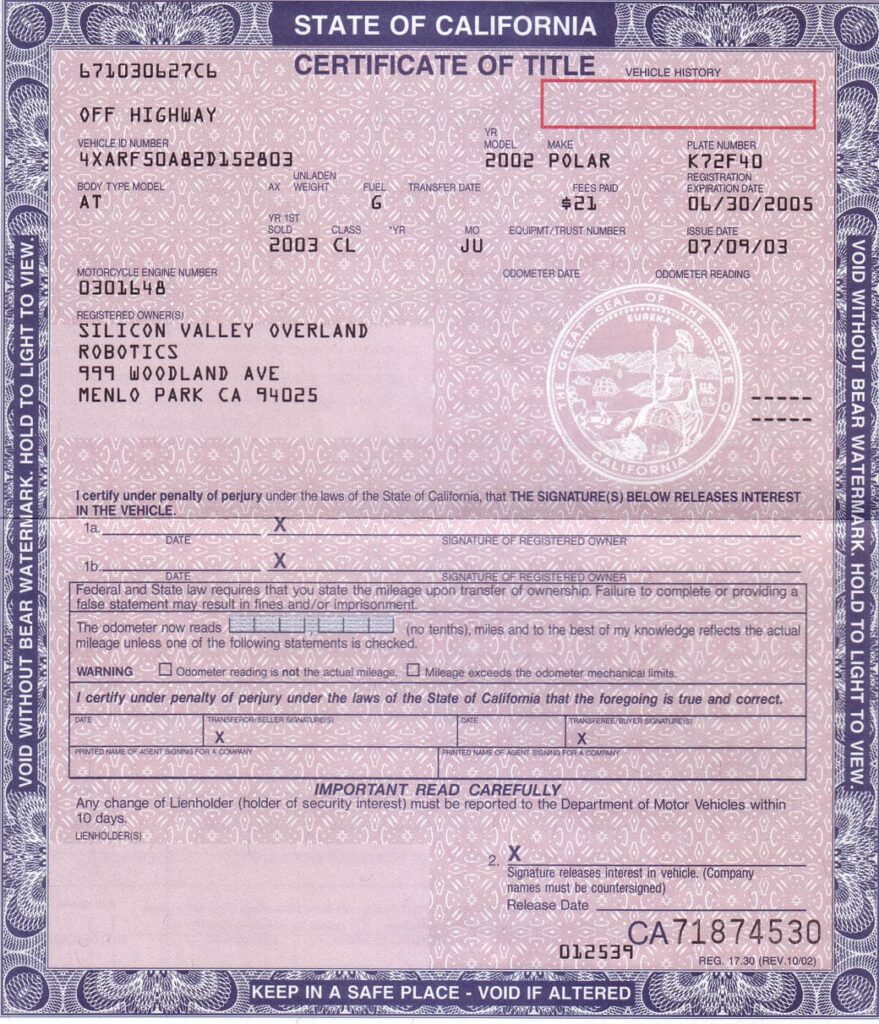
Step 1: Review the Current Title
Check:
- Owner names
- VIN
- Lienholder information
- Title status
- Whether names are joined by “AND” or “OR”
Step 2: Complete the Title Assignment
The seller signs the title to the buyer. Many states require:
- Printed names
- Sale price
- Date of sale
- Odometer reading
- Buyer information
Step 3: Prepare Supporting Documents
Usually includes:
- Bill of sale
- Driver’s license
- Insurance proof
- Emissions/smog certificate (if required)
- Lien release
Step 4: Submit to DMV
Buyer usually files title transfer paperwork with the DMV.
Step 5: Pay Fees and Taxes
This may include:
- Title fee
- Registration fee
- Sales/use tax
- Plate fee
Step 6: Receive New Title
The new title is mailed or issued electronically.
Documents Needed to Transfer Car Ownership
Requirements vary by state, but these are most common.
Seller Usually Needs:
- Original vehicle title
- Government-issued ID
- Odometer disclosure
- Lien release if loan paid off
Buyer Usually Needs:
- ID or license
- Insurance card
- Payment receipt/bill of sale
- Registration application
- Proof of address (sometimes)
Helpful Optional Documents
- Maintenance records
- Warranty paperwork
- Vehicle history report
How to Verify a Car Title Before Buying
How to Transfer Car Ownership After Selling a Vehicle
Private-party sales are the most common ownership transfer scenario.
Seller Checklist
- Remove personal belongings
- Sign title correctly
- Provide bill of sale
- Remove license plates if required by state
- Submit notice of sale/release of liability
- Cancel or update insurance after transfer
Buyer Checklist
- Verify VIN matches title
- Confirm seller identity
- Inspect title for alterations
- Pay agreed price securely
- Submit title transfer quickly
Why Release of Liability Matters
This document informs the state you no longer control the vehicle. It can protect you from parking tickets, tolls, or accidents after sale.
Branded Titles: How to Understand and Manage Online
How to Transfer Car Ownership to a Family Member
Many people transfer cars to spouses, children, parents, or siblings.
Common Family Transfers
- Parent to child
- Child to parent
- Spouse to spouse
- Grandparent to grandchild
Possible Benefits
Some states reduce or waive taxes for qualifying family transfers.
Typical Requirements
- Signed title
- Gift affidavit or family transfer form
- Relationship proof (sometimes)
- Transfer fee
Always verify whether your state offers tax exemptions.
How to Transfer Car Ownership as a Gift
Gifting a vehicle often uses a similar process to selling, but without purchase price.
Standard Steps
- Sign title to recipient
- Mark as gift if form allows
- Complete gift affidavit if required
- Recipient registers vehicle
- Update insurance
Important Note
Even gifted vehicles may still trigger title or registration fees.
How to Transfer Car Ownership After Death
Inherited vehicle transfers require extra paperwork.
Possible Documents Needed
- Death certificate
- Probate papers
- Letters testamentary
- Small estate affidavit
- Existing title
Who Can Transfer It?
Depends on:
- State inheritance laws
- Whether probate is opened
- Named heirs
- Surviving spouse rules
Because inheritance laws vary, confirm with your state agency.
Digital Title for Car: Everything You Need to Know
How to Transfer Car Ownership With a Loan or Lien
If the vehicle loan is unpaid, ownership transfer becomes more complex.
Scenario 1: Loan Paid Off Recently
Need:
- Lien release letter
- Updated title or lien satisfaction record
Scenario 2: Active Loan
Usually options include:
- Pay off loan first
- Buyer pays lender directly
- Dealer handles payoff in trade-in
Why This Matters
The lender may hold title rights until the debt is cleared.
How Long Does Car Ownership Transfer Take?
Processing depends on state and method.
| Method | Estimated Time |
|---|---|
| In person | Same day to 2 weeks |
| Online (where offered) | 3–14 days |
| 2–6 weeks | |
| Complex probate/lien case | Longer |
Many states now issue electronic titles after processing.
How Much Does It Cost to Transfer Car Ownership?
Costs vary widely.
Common Fees
- Title transfer fee: $15–$100+
- Registration fee: varies
- Sales/use tax: percentage of value or sale price
- Plate fee: if new plates required
- Late penalties: if delayed
Money-Saving Tip
Some family or gift transfers may qualify for lower taxes.
Online vs In-Person Car Ownership Transfer
| Option | Best For | Speed | Convenience |
|---|---|---|---|
| Online | Simple transfers | Fast | High |
| In Person | Complex cases | Medium/Fast | Moderate |
| Non-urgent transfers | Slow | Good |
If title errors, liens, or multiple owners exist, in-person is often easier.
Common Mistakes to Avoid During Ownership Transfer
Mistakes can delay registration or invalidate documents.
Top Errors
- Signing wrong section of title
- Crossing out information
- Incorrect VIN
- Missing odometer reading
- Using nickname instead of legal name
- Forgetting lien release
- Delaying DMV filing
- Not submitting notice of sale
- Paying without verifying title authenticity
Best Practice
Write clearly, use black ink if required, and review everything before signing.
How to Win the Transfer Process as Buyer or Seller
For Sellers
- Meet in safe public place
- Accept secure payment
- Keep copies of signed paperwork
- Report sale immediately
- Remove toll tags
For Buyers
- Verify seller owns the car
- Compare VIN on dashboard, door, title
- Check title brand (salvage/rebuilt)
- Get insurance before driving home
- Transfer promptly to avoid penalties
Featured Snippet Answer: How Do You Transfer Car Ownership?
To transfer car ownership, sign the title from seller to buyer, complete required forms, submit proof of identity and insurance, pay title transfer fees and taxes, then register the vehicle with your state DMV so a new title can be issued.
Advanced Guide to How to Transfer Car Ownership Successfully

A standard title transfer handles most situations, but many owners face special circumstances that require extra planning. If you want the smoothest possible ownership change, the sections below cover advanced scenarios, legal safeguards, timing strategies, and practical tips that many basic guides ignore.
How to Transfer Car Ownership in a Private Sale Safely
Private sales often offer the best price, but they also create the highest risk for paperwork mistakes.
Best Practices for Sellers
- Meet during daylight hours
- Use a secure payment method
- Confirm buyer identity
- Photograph signed documents
- Remove plates if required in your state
- Submit release of liability immediately
Best Practices for Buyers
- Verify the seller name matches the title
- Compare VIN on title, dashboard, and door sticker
- Inspect vehicle condition before paying
- Avoid unsigned titles
- Confirm there are no open liens
Smart Tip
Never hand over full payment until title signatures and vehicle details are verified.
[INTERNAL LINK: safest payment methods for selling a car]
How to Transfer Car Ownership Between States
When a car moves from one state to another, ownership transfer may involve extra compliance steps.
Typical Out-of-State Requirements
- Original title
- VIN inspection
- Emissions or smog test
- Proof of insurance
- Residency proof
- Tax payment based on state rules
What to Expect
Some states accept the old title and issue a new one immediately. Others require inspections first.
Common Delay
The most frequent issue is missing emissions certification or unpaid taxes.
How to Transfer Car Ownership to a Spouse
Many states simplify transfers between spouses.
Common Reasons
- Marriage
- Divorce settlement
- Estate planning
- Insurance restructuring
Possible Benefits
- Lower transfer fees
- Tax exemptions
- Streamlined paperwork
Documents Often Needed
- Signed title
- Marriage certificate or divorce decree
- ID documents
- Transfer form
[INTERNAL LINK: transfer title after marriage]
How to Transfer Car Ownership After Divorce
Vehicles awarded in divorce settlements often need title correction.
Recommended Process
- Review court settlement documents
- Confirm who receives the vehicle
- Remove old owner from title
- Refinance if loan still joint
- Update insurance immediately
Critical Warning
If loan remains in both names, both parties may still carry risk even after divorce.
How to Transfer Car Ownership to a Company or LLC
Business ownership transfers are common for tax planning, fleets, or liability management.
Common Requirements
- Signed title
- Business registration documents
- EIN or tax ID
- Authorized signer proof
- Insurance in company name
Advantages
- Cleaner accounting
- Liability separation
- Fleet management efficiency
Watch Out For
Insurance and financing may need to be rewritten before transfer.
How to Transfer Car Ownership If the Title Is Lost
A lost title usually must be replaced before ownership changes.
Standard Solution
- Apply for duplicate title
- Receive replacement title
- Sign over to buyer
Do Not Do This
Never try to sell using photocopies or unsigned ownership claims.
How to replace a lost car title online
How to Transfer Car Ownership for an Old or Classic Vehicle
Older cars may involve missing records or outdated paperwork systems.
Potential Challenges
- No digital DMV records
- Older VIN format
- Previous owner unavailable
- Estate ownership issues
Helpful Documents
- Old registrations
- Bills of sale
- Insurance cards
- Maintenance history
Best Strategy
Contact the title agency before listing the car for sale.
How to Transfer Car Ownership After Paying Off a Loan
Once a vehicle loan is fully paid, the lender must release its claim.
Next Steps
- Request lien release letter
- Confirm state updates electronic lien records
- Obtain clean title
- Transfer ownership normally
Timing Tip
Do not schedule a sale until lien release is confirmed.
How to Avoid Fraud During Ownership Transfer
Vehicle title fraud can cost buyers thousands.
Warning Signs
- Seller rushing transaction
- Name on title does not match ID
- VIN plate tampering
- Title has erasures or white-out
- “Open title” already signed by unknown person
- Suspiciously low price
Protect Yourself
- Use official DMV forms
- Verify identity
- Run VIN history report
- Meet at bank or DMV office
- Keep copies of all records
[INTERNAL LINK: how to spot title fraud]
When to Use a Bill of Sale
Even when not mandatory, a bill of sale is highly recommended.
Benefits
- Confirms sale date
- Confirms purchase price
- Identifies buyer and seller
- Helps with tax reporting
- Supports disputes if issues arise
Include These Details
- VIN
- Year/make/model
- Sale price
- Date/time
- Buyer and seller names
- Signatures
How to Transfer Car Ownership Fastest

If you need same-week completion, speed matters.
Fastest Options
- Use in-person DMV office
- Bring every required document
- Confirm fees in advance
- Use digital insurance proof
- Schedule appointment online
- Resolve liens beforehand
What Slows It Down
- Missing signatures
- Incorrect VIN
- Wrong forms
- Tax calculation issues
- No insurance proof
Ownership Transfer Timeline Example
| Scenario | Estimated Completion |
|---|---|
| Private sale local | Same day to 14 days |
| Family gift | Same day to 2 weeks |
| Out-of-state transfer | 1–6 weeks |
| Probate inheritance | Several weeks+ |
| Lien payoff sale | 1–4 weeks |
Special Ownership Transfer Situations
Transfer to a Spouse
Often simplified with lower taxes.
Transfer to a Business
May require EIN, business registration, and company authorization.
Transfer After Divorce
May require court order or settlement agreement.
Transfer to Trust
Useful for estate planning but may require legal paperwork.
Transfer an Out-of-State Vehicle
May require VIN inspection or emissions compliance.
[INTERNAL LINK: register out of state car]
Frequently Asked Questions
1. Can I transfer ownership without a title?
Usually no. You typically need the title or a replacement title.
2. Who pays transfer fees?
Usually the buyer, but parties may negotiate.
3. Can I transfer ownership online?
Some states allow online title transfers for eligible vehicles.
4. Do I need a bill of sale?
Many states recommend or require it.
5. Can I gift a car to my child?
Yes, usually with title transfer paperwork.
6. How soon must ownership be transferred?
Often within 10–30 days depending on state.
7. Can I transfer a car with expired registration?
Usually yes, but registration issues may still need resolution.
8. What if two sellers are on the title?
Both may need to sign depending on wording.
9. Can I transfer ownership with a loan balance?
Yes, but lender payoff or approval is typically required.
10. Does insurance need to be active first?
Often yes before registration.
11. What if the seller signed the title wrong?
You may need correction forms or a duplicate title.
12. Can I drive immediately after buying?
Depends on temporary tags, insurance, and state rules.
13. Is tax charged on family transfers?
Sometimes reduced or waived depending on state law.
14. Can I transfer ownership after someone dies without probate?
Some states allow simplified estate affidavits.
15. How do I know transfer is complete?
The DMV issues registration and/or new title in buyer’s name.
16. Can I transfer ownership on weekends?
Only if your DMV or online system operates then.
17. Can someone else submit paperwork for me?
Often yes with power of attorney.
18. Do both parties need to be present?
Not always, depending on state process.
19. Can I transfer a financed leased vehicle?
Lease companies usually control ownership changes.
20. What if buyer never registers the car?
Seller should file release of liability immediately.
21. Can ownership transfer be denied?
Yes, for liens, fraud concerns, unpaid taxes, or missing documents.
22. Can I keep my license plates?
Some states allow plate retention.
23. Can I transfer to a minor?
Some states allow it with guardian involvement.
24. Is notarization required?
Some states require notarized title signatures.
25. Can I cancel a signed transfer later?
That depends on filing status and contract facts.
Car Ownership Transfer Checklist
Seller
- Title ready
- ID ready
- Lien released
- Odometer recorded
- Bill of sale completed
- Notice of sale filed
Buyer
- ID ready
- Insurance active
- Payment ready
- VIN verified
- Forms completed
- Fees prepared
Transfer Car Ownership the Right Way
Knowing how to transfer car ownership saves time, protects both parties, and prevents future legal or financial problems. Whether you are selling, buying, gifting, or inheriting a vehicle, the key is accurate paperwork, a properly signed title, timely DMV submission, and clear proof of ownership.
Complete the process promptly, verify all details before signing, and keep copies of every document. A clean ownership transfer creates peace of mind and ensures the vehicle is legally ready for its next owner.
Understanding how to transfer car ownership properly is one of the smartest steps any buyer or seller can take. A correct transfer protects money, limits liability, prevents fraud, and creates a clean legal ownership trail.
Whether you are transferring a family vehicle, selling privately, handling an inheritance, or moving a car across state lines, success comes down to preparation: verify the title, gather the right documents, sign correctly, and file promptly. When handled the right way, ownership transfer becomes simple, secure, and stress-free.
- Get link
- X
- Other Apps


Comments
Post a Comment