Car Ownership Transfer: A Complete Step-by-Step Guide
Car Ownership Transfer: A Complete Step-by-Step Guide

What Is a Car Ownership Transfer?
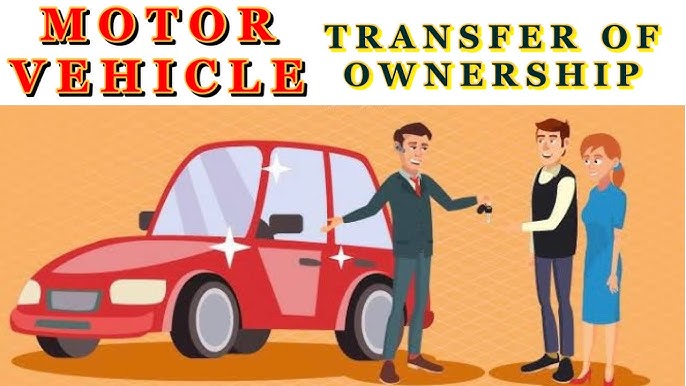
A car ownership transfer is the legal process of transferring the title and ownership rights of a vehicle from one party to another. Whether you are selling, buying, gifting, or inheriting a vehicle, you must complete the transfer correctly to avoid legal and financial complications. Each country or state has its specific regulations, but the process generally follows similar steps.
Why Is a Car Ownership Transfer Important?
:max_bytes(150000):strip_icc()/ag_roadmice_title-56a0fcaa3df78cafdaa7557f.jpg "Car Ownership Transfer")
A proper car title transfer ensures that the new owner is legally recognized as the owner of the vehicle.
Failure to complete the transfer can result in issues such as:
- Legal disputes over vehicle ownership
- Liability for traffic violations or accidents caused by the previous owner
- Inability to register or insure the car under the new owner’s name
To avoid these risks, it’s essential to follow the correct procedure for car ownership transfer.
Steps to Transfer Car Ownership
1. Gather the Required Documents
To begin the process, both the buyer and seller must prepare essential documents.
These typically include:
- Original Vehicle Title – This document must be signed by the current owner.
- Bill of Sale – A written agreement between the seller and buyer outlining the transaction details.
- Odometer Disclosure Statement – Required in many states to verify mileage.
- Valid Identification – Such as a driver’s license or passport.
- Vehicle Registration Certificate – This ensures the car is currently registered.
- Proof of Insurance – Some states require valid insurance before the transfer.
2. Verify Outstanding Liens
If the vehicle has an outstanding loan or lien, it cannot be transferred until the debt is cleared. The seller must provide a Lien Release Document from the lender before proceeding with the transfer.
3. Complete the Title Transfer Process
The seller must fill out the title transfer section on the original vehicle title. Depending on the jurisdiction, this process may need to be notarized.
Buyers should check for correct signatures and details before submitting the title for transfer to the Department of Motor Vehicles (DMV) or relevant transport authority.
4. Pay Transfer Fees and Taxes
Most states require a title transfer fee and applicable sales tax based on the vehicle’s value. Buyers should check their local DMV for exact costs and payment methods.
5. Update Registration and License Plates
After the title is transferred, the buyer must:
- Apply for a new vehicle registration.
- Obtain new license plates (if required).
- Ensure the vehicle has valid insurance coverage.
Failure to register the vehicle under the new owner’s name can result in fines and legal issues.
6. Finalize the Process with the DMV
Once all steps are completed, the final paperwork must be submitted to the DMV or local transport office. In some locations, this can be done online, while others require an in-person visit.

Special Cases in Car Ownership Transfers
1. Selling a Car to a Private Buyer
When selling to an individual, it’s crucial to:
- Meet in a safe, public place to exchange documents.
- Ensure payment is received before handing over the title.
- Provide a bill of sale as proof of the transaction.
2. Transferring Ownership in Case of Death
If the owner of the vehicle has passed away, the executor of the estate must transfer ownership to the rightful heir. This often requires:
- A death certificate
- Probate or estate documents proving legal authority
- The original vehicle title
3. Gifting a Vehicle to a Family Member
Gifting a car to a spouse, child, or other family member typically involves the same transfer process but may be exempt from sales tax. Check local regulations for specific tax exemptions.
4. Transferring a Vehicle to a Business
If transferring ownership from an individual to a business entity, additional paperwork such as business registration documents and corporate tax information may be required.
Common Mistakes to Avoid
 Failing to Notify the DMV – The seller must inform the DMV about the sale to avoid liability for future violations.
Not Clearing Outstanding Loans – A vehicle with an unpaid loan cannot be transferred legally.
Incomplete Paperwork – Missing signatures or documents can delay the process and lead to legal complications.
Ignoring Local Regulations – Always check your state or country’s specific transfer requirements.
How Long Does a Car Ownership Transfer Take?
The processing time for a car ownership transfer varies by location. In general:
- Online transfers – These may take 1-2 business days.
- In-person transactions – These can be completed on the same day if all documents are in order.
- Mail-in transfers may take several weeks, depending on processing times at the DMV.
To expedite the process, ensure you have all required documents before starting the transfer.
Car Ownership Transfer vs. Fake Car Ownership Transfer
When buying or selling a vehicle, completing a legal car ownership transfer is essential to ensure the vehicle is registered under the new owner’s name. However, some individuals may attempt to use a fake car ownership transfer to bypass legal procedures, evade taxes, or conceal vehicle history. Below, we compare the genuine process with the risks and consequences of using a fake ownership transfer.
 Legitimate Car Ownership Transfer
A legal car ownership transfer follows the proper procedures outlined by the Department of Motor Vehicles (DMV) or other government agencies.
The key steps include:
 Verification of Documents: The seller and buyer must provide valid vehicle titles, registration certificates, and proof of identity.
Clearing Outstanding Liens: The vehicle must be free from any unpaid loans before the transfer.
Filing Proper Paperwork: All documents must be submitted to the DMV, transport office, or licensing agency to finalize the transfer.
Payment of Transfer Fees & Taxes: Buyers must pay the required title transfer fees and applicable sales tax.
Legally Binding Transaction: Once processed, the buyer is recognized as the legal owner, preventing any future disputes.
This method ensures a secure and transparent transaction, protecting both the buyer and seller from legal and financial complications.
 Fake Car Ownership Transfer: The Risks & Consequences
A fake car ownership transfer involves the use of fraudulent documents, forged titles, or illegal means to make it appear as if a vehicle’s ownership has been legally transferred. Here’s why it’s dangerous:
Use of Fake Titles & Documents – Fraudsters may create counterfeit vehicle titles, registration certificates, and bills of sale to deceive buyers. These documents will not hold up in a legal dispute.
Legal Consequences – Using a fake transfer can result in criminal charges, fines, or even imprisonment for both the buyer and seller.
Unverified Vehicle History – Fake transfers often hide stolen vehicles, unpaid liens, or salvaged car histories, leading to legal trouble for unsuspecting buyers.
No Legal Protection – If a buyer unknowingly purchases a vehicle through a fake ownership transfer, they cannot legally register, insure, or sell the car in the future.
Potential Seizure of the Vehicle – Authorities may confiscate the car, leaving the buyer with no refund or legal recourse.
 How to Identify & Avoid Fake Car Ownership Transfers
To protect yourself, always follow these precautions:
Verify the Title & Registration – Check the vehicle identification number (VIN) against official DMV records.
Meet the Seller at a DMV Office – A legitimate seller will have no issue completing the transfer in person at the DMV.
Request a Vehicle History Report – Use services like Carfax or AutoCheck to verify previous ownership and accident history.
Never Accept Altered or Blank Documents – Avoid any title certificates with missing details, erasures, or unofficial stamps.
Check for Outstanding Liens – Ensure the car is fully paid off before completing the purchase.
 Conclusion: Always Choose a Legal Car Ownership Transfer
While a fake car ownership transfer may seem like a shortcut, it comes with serious risks that can lead to legal trouble, financial loss, and even the loss of the vehicle. A legitimate car ownership transfer ensures the transaction is secure, legally binding and free from complications.
If you’re buying or selling a car, always follow the official process to protect yourself from fraud and potential legal consequences.
Frequently Asked Questions (FAQs)
Q: Can I transfer a car title without a notary?
A: Some states require notarization, while others allow a simple signature transfer. Check with your local DMV for specific rules.
Q: What if the seller has lost the vehicle title?
A: The seller must apply for a duplicate title from the DMV before proceeding with the transfer.
Q: Do both the buyer and seller need to be present for the transfer?
A: While not always required, it is recommended for both parties to be present to ensure a smooth transaction.
Q: Is it possible to transfer car ownership online?
A: Many regions now offer online car title transfers through the DMV or transportation authority website.
Final Thoughts
Completing a car ownership transfer is essential for ensuring legal ownership, avoiding penalties, and protecting both buyers and sellers from potential liabilities. By following the correct process and avoiding common mistakes, you can ensure a hassle-free transfer and enjoy your new vehicle with confidence.


Comments
Post a Comment